
Ukrainian smugglers jailed for illegal immigration scheme
- Vladyslav Cherniavskyi and Oleksandr Yavtushenko were involved in an illegal operation smuggling migrants into the UK.
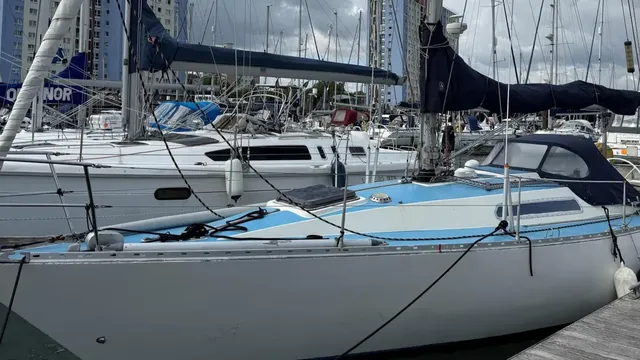
- The yacht Uforia was used to ferry migrants with at least eight crossings recorded.
- Their conviction highlights the ongoing issue of migrant smuggling and the law enforcement efforts to combat such operations.
Story
In July 2025, two Ukrainian men, Vladyslav Cherniavskyi and Oleksandr Yavtushenko, were arrested for running an illegal migrant smuggling operation across the English Channel. The pair pleaded guilty to charges of assisting unlawful immigration, with Cherniavskyi receiving a six-year sentence, and Yavtushenko receiving five years. Their yacht, named Uforia, was intercepted four-and-a-half miles off Chichester, West Sussex after completing numerous crossings, bringing migrants from northern France to the UK. The operation was conducted in collaboration with the National Crime Agency, Border Force, and French law enforcement agencies. Five migrants were found aboard, including a Vietnamese girl placed into UK foster care, highlighting the vulnerability of some individuals exploited in these illegal activities. Cherniavskyi’s defense noted personal motivations for his actions, including family health issues, while Yavtushenko expressed deep regret for his involvement. The sentencing judge emphasized the despicable nature of their actions, which perpetuated the misery of illegal immigration and highlighted the premium service they offered to migrants. Authorities intend to deport both men after they serve their sentences, underscoring the ongoing efforts of law enforcement to dismantle smuggling networks across Europe. This case exemplifies a broader issue of how smugglers prioritize profit over human life, raising important discussions about immigration policies and enforcement in the context of vulnerable populations seeking refuge.
Context
Human trafficking is a critical issue in the UK, with significant social, economic, and psychological impacts on victims and society as a whole. Trafficking involves the illegal trade of humans for the purpose of forced labor, sexual exploitation, or other forms of servitude. The UK has been identified as both a source and destination country for trafficked individuals, with an alarming number of cases reported annually. Victims come from diverse backgrounds, often fleeing poverty, conflict, or exploitation in their home countries. The psychological toll on these individuals is profound, leading to long-term consequences that can persist well beyond their immediate circumstances. The impact of human trafficking extends beyond the individual victims themselves; it affects families, communities, and the broader society. Families may be torn apart as members are trafficked or targeted, leading to cycles of exploitation and trauma. Communities bear the hidden costs associated with human trafficking, including increased crime rates, public health concerns, and strain on social services. Furthermore, human trafficking undermines social cohesion, erodes trust in public institutions, and contributes to a culture of fear. The economic implications are equally concerning, with trafficked individuals often forced to work in exploitative conditions, which can distort local labor markets and undermine fair employment practices. Government and non-governmental organizations are taking steps to combat human trafficking in the UK through legislation, awareness campaigns, and support services. The Modern Slavery Act of 2015 marked a significant step forward in addressing this issue by consolidating existing laws and enhancing penalties for offenders. Support services for victims have also been improved, providing essential assistance in areas such as housing, health care, and legal aid. However, challenges remain in effectively identifying and protecting victims, as many remain hidden and vulnerable due to fear of law enforcement and lack of awareness of their rights. To effectively address human trafficking in the UK, it is crucial to foster cooperation among various agencies and stakeholders, including law enforcement, social services, and community organizations. Education and awarenessraising initiatives can help empower individuals to recognize signs of trafficking and promote a culture of vigilance and support for victims. Combating this complex issue requires a multi-faceted approach that prioritizes the rights and needs of victims while also addressing the systemic factors that contribute to human trafficking. Only through comprehensive efforts can we hope to mitigate the impact of this grave violation of human rights and ensure a safer and more just society for all.
