

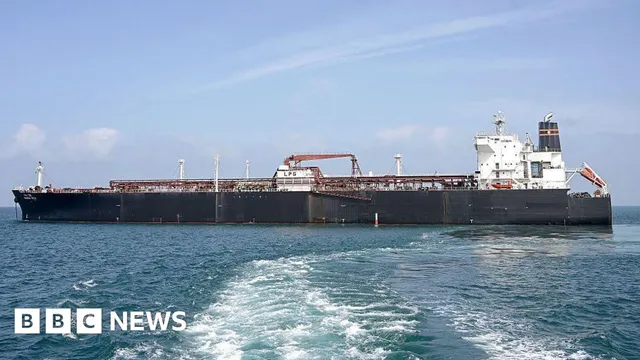
Iran permits unrestricted Iraqi oil shipping through Strait of Hormuz
Iran permits unrestricted Iraqi oil shipping through Strait of Hormuz
- Iran has exempted Iraq from any restrictions imposed on access to the Strait of Hormuz.
- The potential increase in Iraqi oil exports could reach 3 million barrels per day.
- The exemption may allow Iraq to restore oil shipments, but risks remain for shipping companies.
Story
Iraq has been granted an exemption from restrictions imposed by Iran on access to the Strait of Hormuz, as announced recently. This decision has far-reaching implications for Iraqi oil exports, which previously saw a significant decline due to the conflict in the region. Prior to this exemption, Iraqi oil shipments had plummeted by approximately 97%, with exports averaging only 99,000 barrels per day in March due to operational challenges and a blockade of the primary export route. The announcement could potentially unlock an estimated 3 million barrels per day in Iraqi oil cargoes. The absence of clear enforcement details raises concerns for shipping companies considering entering the strait to collect cargoes. Shipping traffic through the Strait of Hormuz has already experienced a slight uptick, with some vessels from Asian nations successfully negotiating safe passage despite ongoing threats and instability in the region. A Japanese-owned liquefied natural gas tanker and a French container ship recently managed to complete transits, indicating some cautious optimism regarding maritime routes. Iran's strategic easing of Hormuz restrictions is said to distinguish Iraq—deemed a “brotherly” nation—from other “hostile” states. This move reflects a complex relationship between Iran and Iraq, shaped by shared religious ties and Iran's support for Iraqi militias that oppose U.S. influence in the Middle East. While Iraq has historically been a significant oil producer in OPEC, its capacity to ramp up output and securely transport oil remains uncertain amidst ongoing conflict and geopolitical tensions. Overall, the implications of the exemption depend heavily on shipping companies' willingness to take on the risks associated with navigating the strait, where threats from regional instability, attacks on vessels, and the volatility of insurance coverage remain significant hurdles. Ultimately, the unfolding situation could reshape both regional energy dynamics and global oil markets, depending on how effectively Iraq can restore its oil export capabilities through this vital maritime corridor.


