

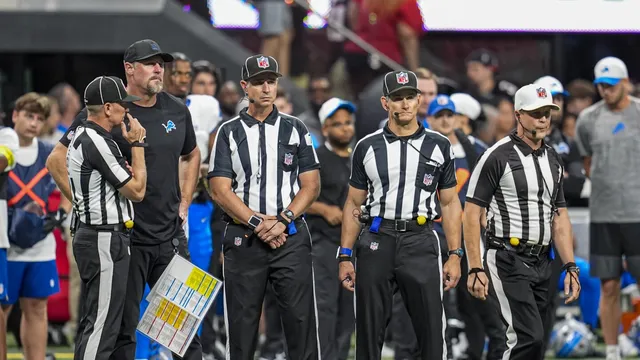
NFL pushes for performance-based pay amid referee contract negotiations
NFL pushes for performance-based pay amid referee contract negotiations
- The NFL is negotiating a new collective bargaining agreement with the NFL Referees Association as the current contract will expire soon.
- Discussions have stalled primarily over proposed performance-based compensation and flexibility in game assignments.
- Without a new agreement, the league faces the risk of a work stoppage that could mirror the 2012 situation with replacement officials.
Story
In the United States, the NFL is undergoing significant negotiations for a new collective bargaining agreement with the NFL Referees Association, as the current contract is set to expire on May 31, 2026. The league, led by Executive Vice President of Football Operations Troy Vincent, has indicated that discussions to extend the agreement have not been successful. Key areas of focus during these negotiations include proposals for performance-based compensation, which would tie referees' pay to their officiating quality. The NFL seeks increased flexibility in postseason assignments based on referee performance and a greater number of officiating roles to develop more talent within the ranks of referees. As part of the discussions, the NFL also aims to shorten the off-season communication gap currently defined by a 'dead period' that runs from the Super Bowl until mid-May. Meanwhile, the NFL Referees Association has refrained from commenting publicly on the league's media campaign regarding these negotiations, choosing to focus on internal discussions instead. The next negotiating session is anticipated to take place on December 30 in Atlanta, and as tensions re-emerge, the historical reference to the 2012 use of replacement referees serves as a reminder of the stakes involved. The NFL aims to avoid a repeat of that scenario, which introduced numerous officiating problems due to the lack of experienced referees on the field. With fans divided on the efficacy of current officiating standards, increased public scrutiny may further complicate negotiations.


