

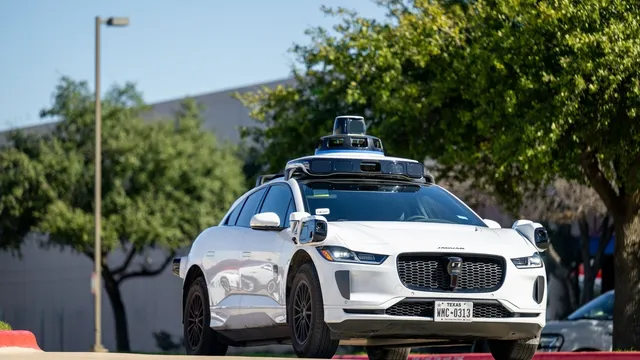
Waymo hires DoorDash drivers to close robotaxi doors, sparking curiosity
Waymo hires DoorDash drivers to close robotaxi doors, sparking curiosity
- Waymo has started hiring DoorDash drivers to close the doors of its robotaxis left open by passengers.
- The company also employs towing services to assist their vehicles that have lost power or require door closure.
- This pilot program reflects the ongoing challenges and future plans for improving autonomous vehicle operations.
Story
In the United States, Waymo has recently begun a pilot program utilizing DoorDash drivers to assist with the management of its autonomous robotaxi fleet. This initiative arose from challenges faced when passengers inadvertently left the doors of the driverless vehicles ajar, preventing the cars from operating and causing traffic congestion. For instance, DoorDash drivers reported receiving offers up to $11 for performing simple tasks, such as closing the doors of unattended vehicles. This move highlights the ongoing complexity in managing fully autonomous transportation methods, where human intervention may still be necessary. Additionally, Waymo has engaged with towing services to address vehicles that lose power while on the road. In California, for example, the company has partnered with Honk - a platform designed for towing services similar to ridesharing apps. The collaboration allows drivers from local towing companies to assist Waymo’s stranded vehicles by towing them to nearby charging stations or closing open doors on idle taxi cabs. Despite the reliance on human input to handle such issues, the company is also making strides towards future-proofing its fleet. Waymo has hinted at the development of technology that would enable its vehicles to automatically close their doors. This advancement would potentially minimize the need for human assistance and streamline operations in urban environments, presenting a significant leap in the reliability of self-driving technology. Waymo's ongoing trials come amidst other operational expansion plans, including launching services in additional U.S. cities such as Miami, Dallas, Houston, San Antonio, and Orlando throughout 2026. They confront challenges posed by large-scale power outages, which can hinder the functionality of their vehicles. For example, a major power outage in San Francisco in December 2025 resulted in numerous vehicles becoming inoperative at traffic signals, leaving them stationary for extended periods. This incident exemplifies the importance of not only having autonomous systems in place but also ensuring that they can successfully navigate critical events, which may still require human oversight to make safe and efficient decisions in real-time scenarios.
Context
Waymo has made significant advancements in its robotaxi technology, focusing on increasing safety, efficiency, and user accessibility. The company, a subsidiary of Alphabet Inc., has been at the forefront of self-driving technology since its inception. By leveraging large-scale data collection, advanced machine learning techniques, and an extensive fleet of autonomous vehicles, Waymo has continuously improved the performance and reliability of its robotaxi services. One of the key aspects of their advancements is their significant expansion in operational areas, including urban centers and suburban locations, demonstrating the scalability of their technology in various contexts. Safety is paramount in the development of Waymo's robotaxi technology. The company employs rigorous testing procedures that are both simulated and real-world, using a combination of closed-course trials and on-road autonomously driven miles. This approach has led to a dramatic decrease in incident rates, underscoring the effectiveness of their safety protocols. Waymo also prioritizes passenger safety by investing in robust onboard systems that monitor the vehicle’s surroundings and ensure compliance with traffic laws. Continuous improvements in sensor technologies and data analysis further enhance their vehicles' capabilities in complex environments. In addition to safety enhancements, Waymo has focused on user experience in its robotaxi services. Recent developments include a user-friendly mobile application that makes hailing a ride seamless and efficient, allowing customers to easily book and manage their trips. The vehicles themselves are designed to be comfortable and accessible, accommodating a diverse range of passengers, including those with disabilities. Integration with other forms of transportation, such as public transit systems, aims to create a comprehensive mobility solution that promotes ease of access for all users. Waymo's robotaxi technology is also increasingly equipped with features that optimize route planning and energy efficiency. Leveraging real-time traffic data and machine learning algorithms, the vehicles can determine the most efficient trip routes, reducing both travel time and energy consumption. Furthermore, Waymo is exploring partnerships with other stakeholders in the mobility sector to enhance service coverage and integrate their autonomous vehicles into smart city initiatives. These ongoing advancements signify a pivotal step toward the widespread adoption of autonomous transportation solutions, showcasing Waymo's commitment to leading the autonomous vehicle industry while ensuring safety and user satisfaction.


