
business
controversial
informative

Bank of England keeps interest rates steady despite turmoil

Apr 30, 2026, 12:08 PM10
(Update: Apr 30, 2026, 12:08 PM)
central bank of the United Kingdom

Bank of England keeps interest rates steady despite turmoil

  • The Bank of England maintained interest rates at 3.75% amidst rising oil prices and inflationary concerns.
  • Economic forecasts suggest a potential for multiple interest rate hikes later this year due to external pressures.
  • Chancellor Rachel Reeves emphasized the necessity for the UK to respond to global economic challenges while preparing for potential domestic impacts.
Share opinion
Tip: Add insight, not just a reaction
1

Story

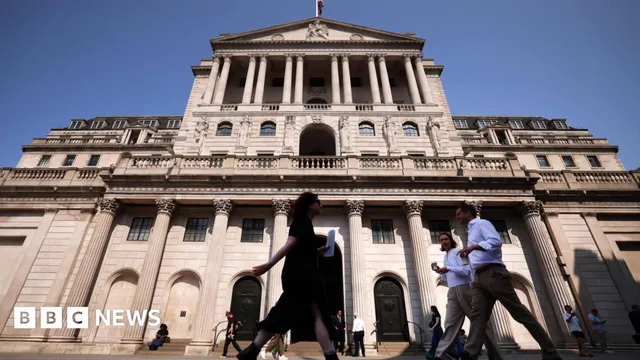
In the United Kingdom, the Bank of England (BoE) made the decision to keep interest rates steady at 3.75% during their recent meeting. This decision comes in the context of rising global tensions, particularly around the situation in the Middle East, which has significantly impacted oil prices. These higher oil prices, which have surged to levels close to $130 a barrel, contribute to growing inflationary pressures that could adversely affect the economy. Economists and analysts were closely monitoring these developments, as persistent increases in oil prices could lead to anticipated inflation soaring beyond 6% later this year. Furthermore, the committee expressed concerns over potential upward pressures on wages due to inflation, although it noted that many pay deals had already been finalized prior to the energy crisis. Consequently, they suggested that the transmission of inflation to wages could be somewhat limited. The Bank's committee emphasized a cautious approach, indicating that while they elected to hold rates steady for now, there is a possibility of future rate increases to counter rising inflation. Predictions indicate that as many as six interest rate hikes could occur throughout the year, possibly peaking at 5.5% if adverse conditions persist. Chancellor Rachel Reeves commented on the economic landscape, stating that while the conflicts abroad do not directly involve the UK, the nation must be prepared to respond to the external pressures that could affect domestic markets. The environment remained tense, with ongoing military developments, including reports about potential US military actions in the region. The BoE has conveyed its intention to stay vigilant and responsive to any shifts in the global economic environment, which could ultimately affect its monetary policy moving forward. As the UK navigates these challenges, the Bank of England aims to balance maintaining economic stability while preparing for any necessary adjustments in interest rates to safeguard against soaring inflation. Stakeholders, including borrowers and savers, will be closely watching the Bank's communications and future decisions during this uncertain financial climate.

Context

The impact of Middle East conflicts on global oil prices is a complex phenomenon that has been historically significant in shaping not only regional dynamics but also global economic trends. The Middle East is home to some of the world’s largest oil reserves, and any conflict affecting production or transportation can lead to dramatic fluctuations in oil prices. For instance, conflicts such as the Gulf War in the early 1990s and the Iraq War in 2003 resulted in substantial increases in oil prices due to fears of supply disruptions. These conflicts often create uncertainty in the market, leading to speculative trading that further drives up prices, as traders react to geopolitical tensions rather than fundamental supply and demand factors. Additionally, the strategic importance of the Strait of Hormuz, through which a significant percentage of the world's oil passes, makes the region particularly susceptible to price volatility in times of conflict. Continued instability in countries like Iraq, Syria, and Yemen contributes to this volatility, as any escalation in conflicts can threaten oil flow and thus impact global prices. Moreover, the response of global economies to rising oil prices is multifaceted. Higher oil prices often lead to increased costs for consumers and businesses, which can result in inflation and hinder economic growth. Countries that are net importers of oil, such as many in Europe and Asia, are particularly vulnerable to price spikes, which can lead to trade imbalances and a reduction in foreign reserves. Conversely, oil-exporting nations, like Saudi Arabia and Iraq, may experience short-term economic boosts due to increased revenues, but their economies are also at risk if conflicts escalate and lead to sustained production losses. The interconnectedness of global economies means that rising oil prices can trigger inflationary pressures worldwide, prompting central banks to adjust monetary policies, which can further impact global markets. In recent years, the emergence of alternative energy sources and the push for energy independence in many countries have changed the landscape somewhat. Nonetheless, oil remains a crucial part of the global energy mix, and Middle East conflicts continue to pose significant risks to oil supply chains. The tension between OPEC members and non-OPEC producers, particularly in light of political instability in the region, complicates the situation further, as decisions made by these countries regarding production levels can significantly influence oil prices. In this context, geopolitical conflicts in the Middle East can have far-reaching implications that extend beyond immediate supply disruptions, affecting long-term energy policies and consumer behavior worldwide. Finally, the global community has recognized the need for diplomatic interventions to stabilize the region and mitigate the impacts on oil markets. Initiatives aimed at peacebuilding and conflict resolution could play a critical role in fostering stability, which is essential for the predictability of global oil prices. The international response to Middle East conflicts, whether through sanctions, military intervention, or diplomatic engagement, directly affects the perception of risk associated with investing in oil, thereby influencing market prices. As the world moves towards a more sustainable energy future, understanding the historical and present implications of Middle East conflicts on oil prices remains crucial for economists, policymakers, and industry stakeholders as they navigate a complex and ever-evolving landscape.

2026 All rights reserved
