

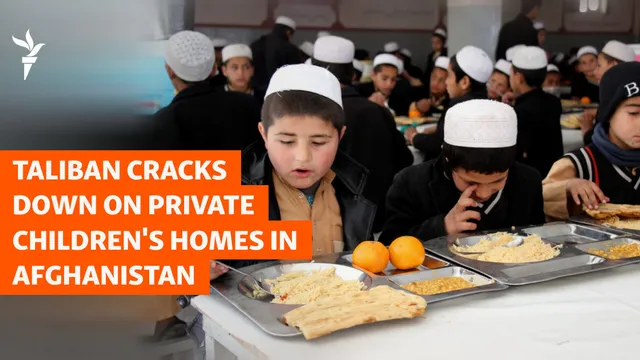
Taliban imposes crackdown on private children's homes
Taliban imposes crackdown on private children's homes
- The Taliban has forcibly shut down numerous private children's homes across Afghanistan, transferring many children to state-run facilities.
- Critics argue that government-run homes lack necessary resources and may promote extremist ideology.
- The closures have raised concerns about the psychological impact on the children, particularly orphans vulnerable to severe distress.
Story
In Afghanistan, the Taliban has intensified its crackdown on private children's homes in recent weeks, as part of an effort to centralize control over such institutions. Multiple facilities providing shelter, education, and care to vulnerable children, particularly orphans, have been closed forcefully. The Taliban purports that this action is intended to enhance oversight and standardize care, as the group has transferred children from private institutions into state-run orphanages. However, critics express concern regarding the adequacy of resources in government-run homes and fear that these institutions might propagate the Taliban's extremist ideology. Many children being transferred were accustomed to their previous environments, which provided a sense of stability and safety. Reports indicate that the transition could lead to psychological distress for these vulnerable groups, notably orphans who may struggle to adapt to new settings where the atmosphere might be less nurturing. The estimated 1.6 million orphaned children in Afghanistan, a result of decades of conflict, face additional challenges due to extreme poverty and societal upheaval. As the Taliban continues to reform educational systems to align with their ideological views, the fate of affected children remains uncertain, raising alarm among child rights advocates who warn of potential long-term impacts on their development.
Context
The situation of children's rights in Taliban-controlled Afghanistan has come under severe scrutiny since the group's return to power in August 2021. The abrupt change in governance has precipitated a deterioration of rights and protections for children, with evidence showing a worrying trend towards increased restriction and surveillance. The Islamic Emirate of Afghanistan (IEA), as the Taliban calls itself, has implemented policies that disproportionately affect girls and vulnerable groups, leading to a systemic rollback in educational and social opportunities. There is significant documentation regarding the closure of secondary schools for girls, effectively barring them from education and pushing many into child labor and early marriages as they seek means of survival for their families. This situation has evoked international condemnation and fueled ongoing humanitarian concerns within Afghanistan and beyond. Additional challenges facing children in Taliban-controlled areas include increased violence, recruitment into armed groups, and human trafficking. Reports from various humanitarian organizations indicate that children are often subject to forced recruitment into militant activities, particularly in rural regions where the Taliban exerts considerable influence. This is exacerbated by the ongoing financial crisis in the country, which has led to heightened levels of poverty and instability. Many families, struggling to make ends meet, are forced to send their children into dangerous labor conditions or worse, where their health and safety are at immense risk. The psychological impact of living in an environment characterized by fear, instability, and violence is profound, adversely affecting children's mental health and long-term development. Moreover, access to healthcare has also been curtailed, with children's health services being severely impacted since the Taliban’s takeover. The collapse of the previous healthcare systems, combined with restrictions placed on female healthcare workers, has led to significant barriers for children seeking medical attention. Vaccination programs have been disrupted, and malnutrition rates among children have soared, particularly among those displaced by conflict and natural disasters. The international community's response has been mixed; while some humanitarian efforts continue, many organizations face challenges in delivering aid due to operational restrictions and the threat of violence. There is a pressing need for improved coordination among aid agencies to address these issues effectively. Looking forward, the future of children's rights in Afghanistan remains uncertain. The Taliban’s hardline stance has shown little sign of transformation, and systemic changes towards inclusivity seem unlikely under current policies. To safeguard the rights of children in this challenging context, a concerted international effort will be essential. Engaging with the Taliban to negotiate the resumption of education and health services for all children, alongside increased humanitarian aid response, is critical. Without sustained pressure and support, the potential for further regression in children's rights is a reality that could haunt Afghanistan for generations to come. It is essential that the situation remains a priority on the international agenda to the benefit of the most vulnerable populations.


