
military conflicts
tragic
impactful

Marines save climber from freezing conditions on Ben Nevis

Jan 30, 2026, 2:13 PM20
(Update: Jan 31, 2026, 5:41 PM)
commune in Val-d'Oise, France
highest mountain of Great Britain

Marines save climber from freezing conditions on Ben Nevis

  • On January 24, a climber was discovered suffering from severe cold exposure near the summit of Ben Nevis.
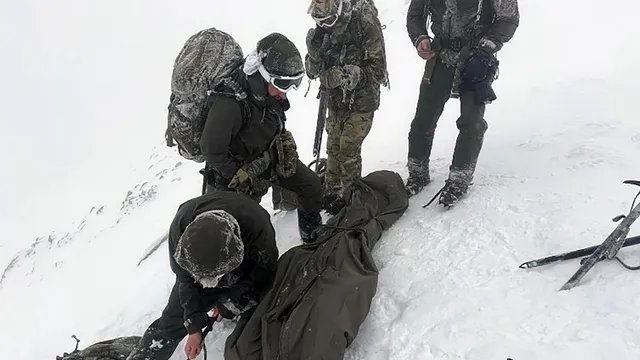
  • The group of marines used a makeshift stretcher to transport him down in extremely harsh conditions.
  • The climber was handed over to emergency services and credited the marines with saving his life.
Share your insight
2

Story

On January 24, a climber was rescued by a group of marines on a training exercise in Scotland, specifically on Ben Nevis, the highest mountain in Britain. The climber was discovered curled up in the snow near the summit, which was experiencing severe blizzard conditions with temperatures plummeting. The team, comprised of the Scottish Royal Marine Reserves and the Dutch Korps Mariniers, had just summited the mountain when they found the man, who was suffering from extreme cold exposure. Initial assessments by the rescue team indicated significant signs of hypothermia, as ice blocks were visibly stuck to the climber's face and clothing, indicating prolonged exposure to the harsh weather. Furthermore, his physical condition was deteriorating rapidly. The circumstances leading to the climber's distress were troubling. He had become separated from his two friends while navigating the treacherous terrain and was unable to locate them or signal for help. The marines, who were training in Gale Force 8 winds and low visibility, acted swiftly upon noticing him. They immediately recognized the importance of time in such extreme conditions and worked together to stabilize the climber. Using a makeshift stretcher constructed from available materials, including a bivvy sack and ropes, they initiated a careful descent from the summit through the treacherous winter conditions towards safety. During their descent, the team faced challenges due to the awkward positioning of the climber, which caused their crampons, essential for grip on icy surfaces, to come loose repeatedly. The group showed remarkable teamwork, quickly responding to the situation by ensuring the climber's safety despite the harsh weather. As they got closer to the snowline, progress was made, and ultimately the climber was able to walk independently again. Upon reaching a safer area, he was handed over to emergency services for further medical assistance to ensure his full recovery. This event highlights the significance of outdoor safety and the critical role of trained teams in emergency situations, especially in extreme weather. The quick thinking and professional conduct of the marines undoubtedly played a vital role in preventing a tragedy that day. As noted by Sergeant Onno Lankhaar, if the marines had not found the climber, his chances of survival would have been severely compromised. Rescues of this nature remind the public of the dangers present in extreme outdoor activities and the need for preparedness in mountainous regions, particularly during adverse weather conditions.

Context

Climbing in winter presents a unique set of challenges and risks that require climbers to adopt specific safety measures to ensure a safe and enjoyable experience. The harsh weather conditions, icy surfaces, and shorter daylight hours are all factors that can complicate any climbing endeavor. To effectively prepare for winter climbing, it is crucial for climbers to understand the importance of gear selection, weather conditions, avalanche awareness, and physical conditioning. Proper gear, including insulated clothing, technical climbing tools such as crampons and ice axes, and reliable protection gear, can make a substantial difference in the overall climbing experience and safety. Additionally, utilizing layered clothing can help regulate body temperature and maintain comfort in fluctuating conditions. Monitoring the weather forecast not only allows climbers to plan but also helps in avoiding adverse weather conditions that could turn a climb dangerous at any moment. Understanding avalanche safety is imperative when climbing in winter. Avalanches can occur with little warning and can be triggered by various factors including snowpack instability, temperature changes, and human activity. Climbers should be knowledgeable about avalanche terrain and proficient in using avalanche safety equipment such as beacons, probes, and shovels. It is advisable to take an avalanche safety course before embarking on a winter climbing trip, as these courses provide critical knowledge on risk assessment and decision-making in avalanche-prone regions. Furthermore, traveling with a well-prepared group can significantly enhance safety, as having multiple people can aid in decision-making and provide support in emergencies. Physical conditioning also cannot be overlooked when it comes to winter climbing. Climbers should focus on building strength, endurance, and agility, as these physical attributes are crucial for managing the strenuous conditions that can arise in a winter climbing environment. Regular cardiovascular exercise, strength training, and flexibility routines should be incorporated into the training regimen well in advance of a climbing trip. Developing climbing-specific skills will also aid in navigating challenging ice and snow conditions successfully. Mental preparation is equally important, as climbers must remain focused, adaptable, and ready to reassess their plans as conditions evolve. Ultimately, winter climbing requires careful preparation and continual assessment of both personal skills and environmental conditions. By selecting appropriate gear, educating oneself on avalanche safety, conditioning the body, and maintaining a strong mental attitude, climbers can significantly mitigate risks while enjoying the breathtaking beauty and challenge of climbing in winter conditions. This proactive approach not only enhances personal safety but also ensures in a broader sense the enjoyment and sustainability of winter climbing as a beloved outdoor activity.

2026 All rights reserved
