

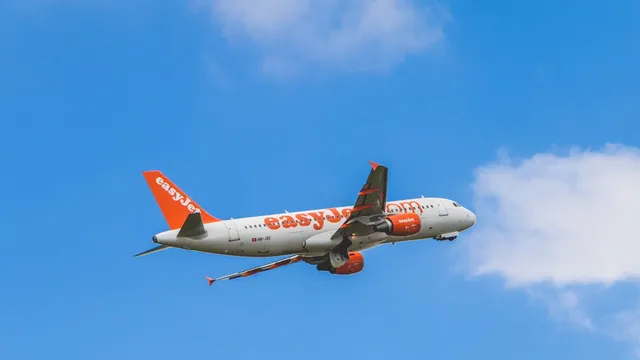
EasyJet defies disruptions to achieve record profits
EasyJet defies disruptions to achieve record profits
- EasyJet is set to report pre-tax profits of £650 million for the year ending in September, overcoming disruptions from French air traffic strikes.
- The airline's expanding holidays division is a significant contributor to its financial success, with projected profits exceeding £235 million this year.
- Despite strong operational performance, EasyJet's stock has declined by 18% this year, raising concerns about its position in the FTSE 100.
Story
In recent weeks, budget airline easyJet has been positioning itself to report a considerable increase in its annual profits, despite the financial challenges arising from French air traffic control strikes over the summer. These strikes caused considerable disruption, including the cancellation of 660 flights and a financial setback amounting to £15 million. Nonetheless, easyJet's performance remains resilient, as most analysts forecast a rise in headline pre-tax profits to £650 million for the year ending in September. This would represent an increase from £610 million in the prior year, highlighting the airline's ability to navigate through operational hurdles. Looking further ahead, analysts predict continued growth for easyJet, with an anticipated profit of £740 million for the 2025-26 financial year. A notable factor driving this predicted success is the airline's expanding holidays division, which has already guided for profits exceeding £235 million for the full year, marking an impressive rise of over 24%. This division appears to resonate well with budget-conscious travelers, as shared insights suggest that family holidays remain a priority for many, often taking precedence over other budgetary concerns. Nonetheless, easyJet's stock has not performed in alignment with its strong operational outcomes, dropping by 18% so far this year. The context of easyJet's financial journey is complicated by external factors. The recent strikes in France, which were a significant source of disruption, prompted the airline to caution stakeholders about potential significant costs. Additionally, despite effective management, further threats of industrial actions did linger, although they were ultimately averted. Richard Hunter, head of markets at Interactive Investor, remarked on the disconnect between the airline's robust performance and its declining share prices, suggesting that the airline could be at risk of demotion from the FTSE 100 during the upcoming December reshuffle. As easyJet navigates through these turbulent waters, it remains to be seen how consumer trends and booking patterns will impact future revenues. Following comments by rival airline Jet2, which indicated that holidaymakers are increasingly booking later, market observers will pay close attention to easyJet's insights into consumer confidence and booking behaviors. Given the airline's substantial investments and efforts to boost its holiday division, stakeholders are keenly watching how these factors will play out in the competitive market landscape, particularly against the backdrop of higher fuel costs and ongoing economic uncertainties.
Context
The impact of French air traffic control strikes on airlines has been a significant concern for the aviation industry in recent years. Strikes by air traffic controllers in France have caused major disruptions not only to domestic flights but also to international travel across Europe. These strikes are often called in response to various labor disputes or grievances regarding wages, working conditions, and retirement benefits. As France is a major hub for air traffic in Europe, any work stoppage can lead to a domino effect, affecting not only flights in and out of France but also routing across the continent, as many airlines rely on French airspace for transit to other destinations. Airlines suffer substantial financial losses during these strikes due to an increase in cancellations, delays, and rerouting of flights. The costs associated with compensating passengers, refunding tickets, and accommodating displaced travelers can severely strain airline budgets. Furthermore, persistent strikes can lead to a decline in consumer confidence in air travel, prompting travelers to seek alternative modes of transportation or reconsider travel plans altogether. In particular, low-cost carriers, which often operate on thin profit margins, are disproportionately affected, potentially jeopardizing their financial stability and market positions. The strikes also highlight the vulnerability of the aviation sector to labor-related issues. The interconnectedness of the global airline industry means that disruptions in one region can lead to widespread repercussions, enhancing the need for collaboration between governments, labor unions, and airlines to mitigate the impact of future strikes. Proactive measures, such as contingency planning and improved negotiations between stakeholders, can help reduce the severity of disruptions and provide more reliable service for consumers. In conclusion, the ramifications of French air traffic control strikes extend well beyond the immediate inconvenience for travelers. Airlines face significant operational and financial challenges in responding to such disruptions, which can have lasting effects on their overall performance. Addressing the root causes of these strikes and implementing collaborative solutions will be essential in ensuring the resilience of the air transport industry in the face of future labor disputes.


