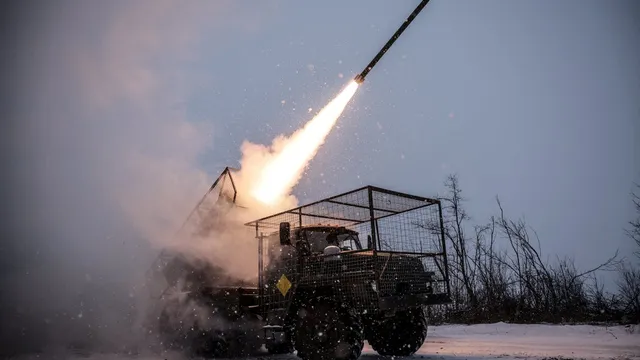
Civilian casualties rise after Russian airstrikes devastate Kramatorsk
military conflicts
tragic
impactful

Civilian casualties rise after Russian airstrikes devastate Kramatorsk

40
(Update: )
sovereign state in Eastern Europe and Northern Asia
city in Kramatorsk Raion, Donetsk Oblast in eastern Ukraine
  • Russian airstrikes targeted residential buildings in Kramatorsk, resulting in civilian deaths and injuries.
  • The ongoing conflict has seen an increase in civilian attacks and damage to vital infrastructure, especially during winter.
  • International pressure is mounting for a peace deal, but substantial divisions remain between Ukraine and Russia.
Share opinion
4

Story

Kramatorsk, Ukraine, witnessed devastating Russian airstrikes that resulted in civilian casualties and significant destruction. The attacks targeted residential buildings in the region's eastern city, with authorities reporting at least four fatalities and several injuries among residents. This incident is part of a broader pattern where Russian forces have intensified their bombardment of civilians during the winter months, aiming to undermine Ukrainian morale and disrupt essential facilities. Reports indicate that over 400 drones and missiles were launched at various locations across Ukraine, including energy infrastructure targets, emphasizing the ongoing challenges faced by the Ukrainian government in maintaining power supply and safety. As winter set in, Ukraine has experienced relentless strikes on residential areas and critical infrastructure, a tactic described by Kyiv officials as 'weaponizing winter'. The repeated assaults, especially on energy facilities, have forced the Ukrainian government to implement emergency power shutdowns in a bid to manage resources and protect its citizens from potential blackouts. The National Police and emergency services have been working tirelessly in the aftermath of the airstrikes to assist those affected, with residents left shocked and homeless by the assault. Survivors described their experiences and the destruction of their homes, illustrating the human impact of the ongoing conflict. In a parallel development, Ukrainian President Volodymyr Zelenskyy expressed concern about the continued reliance of Russian weapons on imported foreign parts. In response, he announced measures aimed at cutting off supplies for these components to limit the operational capacity of Russian forces. The urgency of these attacks comes on the heels of U.S. diplomatic efforts to secure a peace deal by June 2026. Reports suggest that the U.S. has proposed a timeline for negotiations, indicating that pressure may be applied to both parties in hopes of reaching a resolution to the ongoing conflict. However, substantial disagreements remain, particularly regarding Russia’s demands concerning the Donbas region, which Ukraine refuses to concede. The situation in Kramatorsk is reflective of the broader tension between Russian and Ukrainian forces, with significant battles ongoing in the eastern regions. As Ukraine navigates through complex negotiations and attempts to muster international support, the plight of civilians caught in the crossfire remains a pressing issue. The frequency and intensity of Russian airstrikes highlight the dire humanitarian situation, drawing increased attention to the need for international intervention and support for affected populations in Ukraine. The upcoming trilateral talks led by the U.S. signify a crucial moment in the quest for peace, yet it remains to be seen whether they will yield positive results amidst the ongoing bloodshed.

Context

The impact of Russian airstrikes on civilian life in Ukraine has been profound and deeply distressing, affecting various aspects of daily existence for millions of people. As Russian military operations have escalated, residential areas, hospitals, schools, and infrastructure have increasingly become targets, leading to extensive destruction and loss of life. The psychological toll on the civilian population is significant, as individuals live in constant fear of bombings and attacks. The disruptions to normal life are evident, with many families forced to flee their homes, leading to a large number of internally displaced persons and refugees seeking safety and stability in other regions or countries. The humanitarian crisis triggered by the airstrikes has led to urgent needs for food, shelter, and medical care. The health system in Ukraine has been severely strained due to the combination of injuries from airstrikes and the ongoing needs of the population, compounded by the destruction of healthcare facilities. Humanitarian organizations have struggled to deliver aid amidst ongoing hostilities, making access to essential resources a critical challenge. Moreover, the everyday struggle for survival, including secure access to food and clean water, has become a primary concern for many households, as supply chains are disrupted and local economies suffer under the weight of conflict. In addition to the immediate impacts, the long-term implications of these airstrikes on civilian life are equally concerning. Educational institutions have been destroyed or repurposed for military use, depriving children of their right to education and leading to a lost generation. The psychological effects on children, who witness violence and experience the stress of displacement, pose significant challenges for their development and future prospects. The social fabric of communities is fraying as families are separated, and local governance becomes increasingly difficult with the breakdown of law and order. Overall, the consequences of Russian airstrikes on civilian life in Ukraine are devastating, leading to a multifaceted crisis that encompasses humanitarian, economic, and psychological dimensions. As the conflict continues, the immediate needs for support and reconstruction efforts will be paramount in addressing both the present suffering and the future needs of the affected population. The international community's response and engagement will be critical in alleviating the suffering of civilians and working towards a resolution that restores peace and stability.

2026 All rights reserved