

Iran threatens to hit Gulf power plants amid escalating Middle East conflict
Iran threatens to hit Gulf power plants amid escalating Middle East conflict
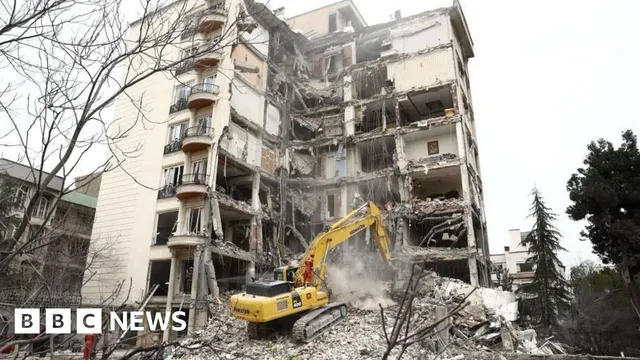
- Israel intensified its military campaign against Tehran with a new wave of attacks, leading to heightened concerns about civilian safety in the region.
- In retaliation, Iran has threatened to strike energy infrastructure, focusing on power plants critical for American military operations.
- The ongoing conflict has seen significant increases in oil prices and has raised alarms over potential humanitarian crises due to the targeting of essential resources.
Story
In recent weeks, the Middle East has seen a significant escalation in hostilities, particularly involving Iran and Israel. Israel launched a new wave of attacks on Tehran early on a Monday morning, marking a substantial intensification of the ongoing conflict, which has persisted for over a month. Concurrently, the United States issued warnings to Iranians, advising them to stay in shelters as tensions reached critical levels. Iran responded by renewing its strikes on Gulf nations and declared intentions to target energy infrastructure, particularly power plants that service American military bases in the region, should the U.S. act against its assets. The United States has threatened to retaliate if Iran does not reopen the strategically crucial Strait of Hormuz, which Iran controls. This vital waterway is essential for global oil shipments and has been a focal point in the conflict. Since the conflict escalated, oil prices have surged significantly, reflecting fears over supply disruptions due to the conflict. The stakes have risen further as both sides have indicated a readiness to attack critical infrastructure, including desalination plants vital to water supplies in the region, thereby threatening millions of lives as the population relies heavily on such facilities for daily water needs. Observers note that targeting water and energy supplies constitutes a dangerous escalation in the conflict, shifting the focus from conventional warfare to attacks that could have far-reaching humanitarian impacts. As these events unfold, the potential for further escalation continues to loom, with leaders on both sides issuing stark warnings against further attacks.
Context
The impact of Iranian threats on Gulf power infrastructure has become increasingly significant amid rising tensions in the region. Iran's persistent aggressiveness, exemplified by its military posturing and strategic initiatives, poses a direct challenge to the stability and security of Gulf countries' energy sectors. This sustains a complex relationship where regional states must weigh their energy needs against security vulnerabilities. The threats primarily manifest through proxy warfare, cyberattacks, and missile capabilities that target critical infrastructure, which can severely disrupt the energy supply chain in the Gulf region. Given that the Gulf is home to a major portion of the world's oil reserves, any disruption to its power infrastructure carries substantial global economic implications as it could lead to increased oil prices and instability in the energy markets worldwide. The consequences of these threats extend beyond immediate physical damage to installations. Such risks have prompted Gulf countries to enhance their defense systems, invest in cybersecurity, and foster international collaborations for safeguarding their energy sectors. Countries like Saudi Arabia and the United Arab Emirates have taken substantial steps to bolster their military capabilities and improve resilience against potential attacks. Moreover, they have engaged with international partners, particularly the United States and European nations, for more advanced defense technologies and intelligence sharing, solidifying bonds against Iranian hostilities that might target energy infrastructure. On a strategic level, Iranian threats necessitate a broader reconsideration of national energy policies within the Gulf states. The need for diversification in energy sources and infrastructure resilience has gained emphasis. Both renewable energy sources and advancements in alternative technologies are being explored to reduce dependence on traditional oil and gas-based economies. These shifts not only mitigate the risk emanating from Iranian aggression but also align with global energy transition trends, beneficially positioning the Gulf nations for a sustainable future. Overall, the implications of Iranian threats on Gulf power infrastructure remain profound and multifaceted. As tensions continue, regional powers must adapt to ensure their energy infrastructure is not only defended against current threats but is also resilient enough to withstand future challenges. The intersection of energy security and regional stability underlines the critical nature of strategic responses and the importance of international cooperation in addressing the existential threats posed by Iran.


