

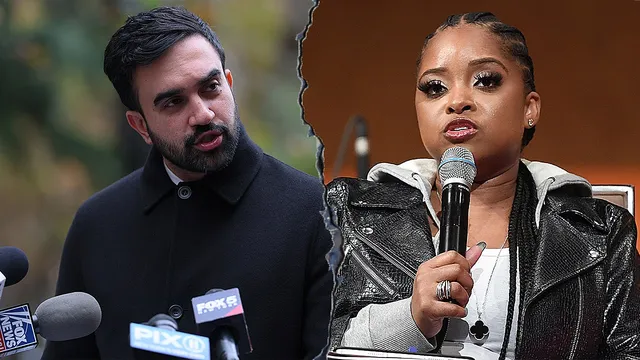
Zohran Mamdani appoints convicted robber to shape NYC's safety policies
Zohran Mamdani appoints convicted robber to shape NYC's safety policies
- Mayor-elect Zohran Mamdani appointed Mysonne Linen, a rapper and activist with a criminal record, to his public safety transition team.
- Linen was convicted in the 1990s for two armed robberies, having served seven years in prison.
- Mamdani aims to incorporate diverse experiences into public safety policy, leading to both support and criticism of his appointment choices.
Story
In New York City, Mayor-elect Zohran Mamdani announced the appointment of Mysonne Linen, a previously incarcerated individual, to his transition team on November 26, 2025. Linen, known for his work as a rapper and activist, has a criminal history that includes convictions for armed robbery dating back to the late 1990s. He served seven years in prison after being found guilty of robbing taxi drivers, an act acknowledged by the judicial system of the time. Mamdani's decision aims to incorporate a diverse range of experiences into his public safety policies, reflecting a shift toward inclusive governance. Linen's inclusion on the transition team has been met with a mixed response. Supporters advocate for the importance of lived experience in shaping policies related to criminal justice and public safety. They argue that individuals who have experienced the justice system from within can provide unique insights into the issues facing communities. Critics, however, have labeled the appointment as controversial, questioning the implications of involving a convicted individual in matters that directly affect public safety. Mamdani publicly defended his choice, emphasizing the necessity of addressing the complexities surrounding community safety. He highlighted a commitment to build policies that serve all New Yorkers, particularly marginalized communities. By inviting Linen and other advocates with firsthand experiences to participate in governance, Mamdani appears to be redefining conventions associated with political leadership, especially in a city grappling with historical injustices and ongoing debates about police reform. As mundane as it may seem, the directive reflects broader societal conversations about crime, rehabilitation, and the path to justice. Movements advocating for criminal justice reform increasingly argue that rehabilitation should be prioritized over punishment. Thus, including individuals like Linen in discussions around public safety can be seen as a step toward a more equitable approach to governance that considers the voices often overlooked in traditional political spheres.


