

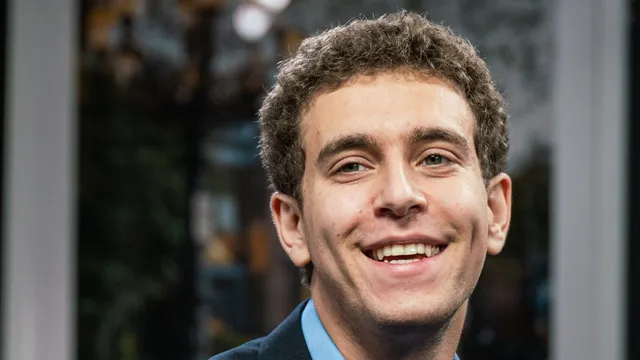
Drugs found in chess grandmaster Daniel Naroditsky's system
Drugs found in chess grandmaster Daniel Naroditsky's system
- Daniel Naroditsky was found unconscious at his home in Charlotte, North Carolina, in October 2025.
- A toxicology report revealed Naroditsky had multiple drugs in his system, including methamphetamine and kratom components.
- His death prompted investigations into possible drug overdose or suicide, raising discussions about mental health and pressure in chess.
Story
In October 2025, Daniel Naroditsky, a renowned American chess grandmaster and child prodigy, was found unconscious at his home in Charlotte, North Carolina. He was discovered by friends, grandmaster Oleksandr Bortnyk and Peter Giannatos, who had come to check on him after he failed to respond to their messages. Tragically, Naroditsky was only 29 at the time of his death. Following his passing, investigations were initiated, focusing on the possibility of a drug overdose or suicide. This incident sent shockwaves throughout the chess community, highlighting the pressures faced by professional players. A toxicology report later released by the North Carolina Office of the Chief Medical Examiner revealed that Naroditsky had multiple substances in his system, including methamphetamine, amphetamine, 7-hydroxymitragynine, and mitragynine. The first two substances are synthetic stimulants that can lead to serious health consequences, while the latter two are major psychoactive components found in kratom—a plant known for its stimulant properties as well as potential risks like psychosis and dependence, as noted by the Drug Enforcement Administration. The aftermath of Naroditsky's death was further complicated by his documented emotional distress over accusations of cheating made against him by former world chess champion Vladimir Kramnik, whom Naroditsky admired. Kramnik's public statements related to Naroditsky's situation generated controversy, resulting in a smear campaign against him and enduring threats to his family. Kramnik expressed his sorrow over Naroditsky's passing, calling it a tragedy, and mentioned he had previously urged Naroditsky's friends to help him seek support. The World Chess Federation (FIDE) launched an investigation into Kramnik to determine whether his comments regarding Naroditsky should incur disciplinary actions. FIDE indicated that Kramnik might face financial sanctions or even a ban from the organization due to the adverse effects of his statements on the community and the sensitive situation surrounding Naroditsky's tragic end. This ongoing situation has shed light on not just the challenges faced by chess professionals but also the damaging consequences of public accusations in high-stakes environments.


