

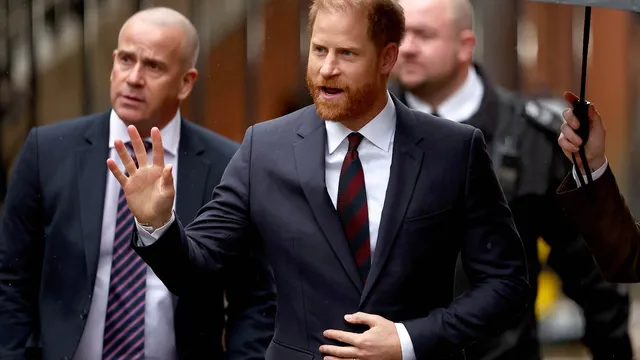
Prince Harry reveals emotional turmoil caused by British tabloids
Prince Harry reveals emotional turmoil caused by British tabloids
- Prince Harry gave an emotional testimony in court against Associated Newspapers regarding alleged media intrusion.
- He described the distress caused by tabloid coverage, particularly highlighting the negative impact on his wife, Meghan Markle.
- The ongoing case may lead to significant changes in how the press interacts with public figures regarding privacy.
Story
In a significant court case held in the United Kingdom, Prince Harry appeared as a witness against Associated Newspapers, the publisher of the Daily Mail and Mail on Sunday. This courtroom drama took place on January 21, 2026, and has the potential to be a landmark moment, as it marks one of the rare instances of a royal providing testimony in court regarding issues of privacy. During his testimony that lasted two and a half hours, the Duke of Sussex expressed deep emotional distress over the incessant press intrusion that he claimed had severely impacted both his life and the life of his wife, Meghan Markle. He explained that the relentless scrutiny and 'vicious attacks' from tabloids made his family's life an 'absolute misery,' culminating in feelings of paranoia and distrust among those he considered close. Prince Harry likened this ongoing battle against the press to an 'endless pursuit' that began after the death of his mother, Princess Diana, insinuating that the media has always had a voracious interest in his personal life. Throughout the proceedings, Prince Harry conveyed the emotional toll that the media's invasive practices have taken on him. He described feeling hunted and surveilled, indicating that even innocent actions, like attending a nightclub, lead to baseless speculation and further scrutiny. Moreover, he drew attention to specific instances in which private information attributed to supposed 'sources' has violated his family's integrity—even suggesting a campaign being waged against him and his experiences. Prince Harry's emotional state was apparent, with reports noting he fought back tears as he recounted the distress that has plagued his family due to tabloid culture. On the other side, the opposing legal counsel for Associated Newspapers presented their narrative, arguing that the information obtained was legally sourced and questioning Prince Harry's claims. The court proceedings shed light on the larger cultural context surrounding the British press's relationship with the royal family and spotlighted the ongoing discussions regarding privacy, consent, and the moral boundaries of journalism. As Prince Harry continues his legal battle alongside other claimants, including celebrities like Elton John, the outcome of this case holds significant implications for both the royals and the tabloid industry. The case is expected to continue over the coming weeks, as both sides present their evidence and arguments in a courtroom that has evolved from the sensationalism often depicted in tabloid headlines. This unfolding legal situation not only provides insight into the often troubled dynamics between public figures and the media but also raises questions about the ethical responsibilities of news organizations. The extensive media coverage surrounding this case indicates that it may be one of the final chapters in Prince Harry’s long-standing struggle with media intrusion, a fight that has shaped his life and royal status for years. With increasing calls for reform and accountability within the press, especially in light of Harry’s personal experiences, the dispute prompts broader conversations about privacy rights, personal agency, and the repercussions of sensational journalism.


