
science
uplifting
innovative

Family restores cattle pasture into vibrant butterfly sanctuary

Nov 22, 2025, 3:00 PM10
(Update: Nov 22, 2025, 3:00 PM)
country in Central America

Family restores cattle pasture into vibrant butterfly sanctuary

  • A family this herded an abandoned cattle pasture into a successful butterfly farm.
  • The initiative has sparked ecological revival, attracting numerous bird species.
  • This project highlights the importance of restoration and conservation efforts in Costa Rica.
Share your opinion
1

Story

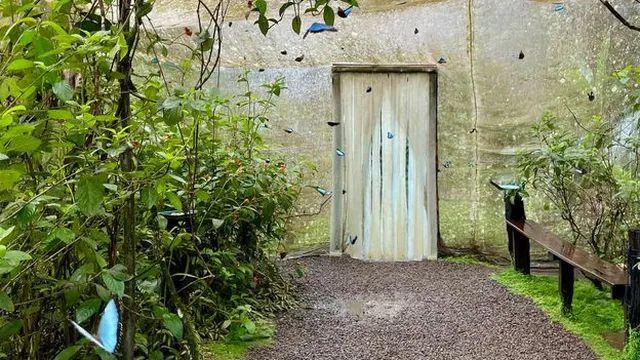
In a remote area of Costa Rica, a vision to restore a degraded landscape has transformed a former cattle pasture into a flourishing rainforest. This initiative, spearheaded by Camacho, involved the purchase of a 20m x 20m plot where host trees were planted specifically to attract butterflies. This project aligns with a commitment to sustainable agriculture through partnerships, notably with the Costa Rican Entomological Supply, which facilitates the sale of butterfly chrysalises to global institutions such as zoos and butterfly houses. The effort has also seen a wider ecological impact, attracting various bird species that thrive in this rejuvenated habitat. Visitors to the butterfly farm enjoy a deeply personal experience as they interact with the family managing the property. Kristal Barrantes, who oversees the daily operations, provides guests with homemade treats in an open-air dining area that immerses them in the surrounding wilderness. Young birdwatching enthusiasts, like Gerald Barrantes, engage visitors in learning about the local biodiversity, including how forest cover in Costa Rica declined dramatically from 75% in 1940 to 21% by 1987. This alarming statistic highlights both the importance of restoration efforts and the pressing need for sustainable practices to protect the country's remaining forests. The farm features a captivating Butterfly Garden where hundreds of butterflies showcase a spectrum of colors, creating an enchanting atmosphere. The dynamic interaction between butterflies and birds illustrates how interconnected these species are within the ecosystem. Gerald Barrantes notes the critical role butterflies play in enhancing the environment, while guests often find themselves mesmerized by their beauty, contributing to their understanding of ecology and conservation. This substantial restoration project is not merely about aesthetic appeal but is rooted in ecological necessity. As a testament to the transformative power of collaborative efforts between humans and nature, the project serves as a model for similar initiatives worldwide aimed at reversing the trends of habitat loss and environmental degradation. It proposes a hopeful narrative where restorative actions can lead to both personal enrichment for families and ecological healing, marking a significant stride toward a more sustainable future for Costa Rica's diverse ecosystems.

Context

Costa Rica has experienced significant changes in forest cover over the past several decades, which is pivotal not only for the country's biodiversity but also for its economy and environmental sustainability. Historically, the extensive deforestation that began in the mid-20th century was primarily due to agricultural expansion, logging, and infrastructure development. During this period, forest cover plunged to alarming lows, with estimates indicating that by the late 1980s, about 25% of the country’s original forest cover had been lost. This trend raised concerns among environmentalists and researchers, prompting action to conserve and restore the vital forest ecosystems that typify Costa Rica's unique landscapes and rich biodiversity. In response to the escalating deforestation, Costa Rica implemented a series of pioneering policies and programs focused on reforestation and sustainable land use. One of the most significant initiatives was the establishment of Payment for Environmental Services (PES) in 1996, which incentivized landowners to conserve their forests rather than converting them for agricultural use. This program has been instrumental in motivating private landowners to engage in ecological stewardship, leading to a remarkable recovery of forest areas. Between 1987 and 2010, Costa Rica successfully reversed the trend of deforestation, increasing its forest cover from around 25% to approximately 52% of the country’s total land area, showcasing a successful model of sustainable development. The resurgence of forest cover has had profound implications for biodiversity, climate change mitigation, and ecotourism in Costa Rica. The restored forests now serve as crucial habitats for a multitude of species, some endemic to the region. Additionally, the increased forest cover contributes significantly to carbon sequestration efforts, helping to mitigate the impacts of climate change. Costa Rica's commitment to environmental conservation has also enhanced its image as a global leader in ecotourism, attracting countless visitors who wish to experience its rich natural heritage. The interplay between conservation and economic development is a testament to the feasibility of balancing ecological preservation with social and economic needs. Despite the progress made, challenges remain in sustaining the gains achieved in forest cover. Issues such as illegal logging, land tenure conflicts, and the pressures of agricultural expansion continue to pose threats to the country’s forests. Therefore, ongoing vigilance and adaptive management strategies focused on conservation practices are critical to ensure the continued protection of forest ecosystems. Costa Rica's experience underscores the importance of integrated approaches that involve local communities, governmental agencies, and international support to secure the future of its forests. This case study not only highlights the potential for recovering forest cover in the face of extensive historical losses but also provides valuable lessons for other nations grappling with similar environmental challenges.

2026 All rights reserved
