

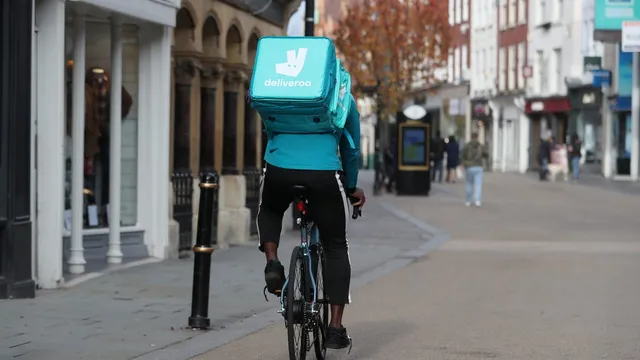
DoorDash pulls Deliveroo from Qatar and Singapore amid strategic overhaul
DoorDash pulls Deliveroo from Qatar and Singapore amid strategic overhaul
- DoorDash announces cessation of Deliveroo's operations in Qatar and Singapore following a strategic review.
- Approximately 85 jobs will be affected by these closures, with the platforms remaining operational until March 4.
- The decision allows for increased investment in engineering roles in the UK as part of DoorDash's focus on growth potential.
Story
In a significant decision impacting the operations of Deliveroo, DoorDash, its new owner, announced plans to cease services in Qatar and Singapore. This announcement came just months after DoorDash's acquisition of the British food delivery giant. The strategic review conducted by DoorDash evaluated market conditions and aimed to prioritize investments in regions with better growth potential. As a result, approximately 85 jobs are expected to be affected due to the closure of Deliveroo's platforms in these two Asian markets. These changes will be implemented before March 4, 2026. In addition to the closures in Qatar and Singapore, the move will also see the shutdown of one of Deliveroo's engineering hubs located in Bengaluru, India. This closure will impact around 100 employees in India. DoorDash stated that as a consequence of these changes, Deliveroo plans to better allocate resources towards engineering roles in the UK, highlighting their commitment to strengthening operations in markets where they see the most promise. Miki Kuusi, head of DoorDash International and CEO of Deliveroo, described the decisions as difficult but necessary, emphasizing the need to support teams and partners through the transitions. The overarching motivation for these market withdrawals is rooted in DoorDash’s long-term vision for the combined business post-acquisition. After acquiring Deliveroo in October 2023 for approximately £2.9 billion, DoorDash initiated a comprehensive 12-month review of the merged operation. During this review, it anticipated a potential workforce reduction of about 1% to 3% due to rationalization measures. DoorDash's model, well-established in markets including the US, Canada, Australia, and New Zealand, operates over 2.5 billion orders annually, and the acquisition of Deliveroo is viewed as a strategic move to enhance its global footprint. Ultimately, the combined operations with Deliveroo are expected to be guided by a focus on geographies where they can provide the best products and secure long-term success. As the company embarks on this transitional phase, the broader implications for the future of food delivery services in the Asian markets remain uncertain, particularly in the context of competition and changing consumer demands. The overall strategy indicates a shift towards operational efficiency and resource allocation, which could set a relevant precedent in the industry.
Context
The food delivery market in Qatar and Singapore has experienced significant growth in recent years, driven by emerging consumer trends, technological advancements, and changing lifestyles. In Qatar, the rapid population growth and rising disposable incomes have led to increased demand for food delivery services. The country's unique demographic composition, with a high percentage of expatriates, further stimulates the market as individuals seek convenient dining options that reflect diverse culinary preferences. In particular, the COVID-19 pandemic has accelerated the shift towards online ordering, with consumers increasingly utilizing mobile apps to facilitate food delivery. Promotions and collaborations between restaurants and delivery platforms have made it easier for consumers to access a wider variety of food options at competitive prices, further propelling this growth trajectory.\n\nMeanwhile, Singapore's food delivery market stands out due to its advanced technological ecosystem and high smartphone penetration rates. The food delivery landscape here is characterized by a multitude of players, including both international giants and local startups competing for market share. Services like GrabFood and FoodPanda have become household names, providing consumers with not just meal options but also innovative features such as real-time tracking and personalized recommendations. The government's support of tech-driven solutions also facilitates growth, as infrastructural developments enable efficient delivery logistics. Consumers in Singapore have shown a preference for health-conscious choices, leading to a rise in food delivery services that cater specifically to dietary needs, such as vegan or gluten-free offerings.\n\nBoth markets exhibit distinct characteristics, yet they share common challenges as well. Issues such as delivery logistics, food safety, and quality control remain crucial factors for business sustainability in both Singapore and Qatar. With increasing competition, food delivery platforms are investing in technology to enhance their logistics operations, ensuring timely and efficient deliveries while maintaining food quality. Additionally, the regulatory environment in both regions plays a significant role, as stricter health and safety regulations require food delivery services to adapt quickly. Addressing these challenges is essential for both new and existing players in the food delivery market.\n\nIn conclusion, the food delivery markets in Qatar and Singapore reflect the changing consumption patterns influenced by technology and lifestyle choices. While Qatar benefits from a burgeoning demand driven by its expanding population and expatriate community, Singapore leverages its tech-savvy population and diverse offerings to create a competitive environment. Both markets are expected to continue growing as culinary preferences evolve and technological innovations enhance user experiences. However, businesses must navigate operational and regulatory complexities to establish themselves successfully in this increasingly crowded space.


