

Iranian women footballers flee to Australia amid fears of persecution
Iranian women footballers flee to Australia amid fears of persecution
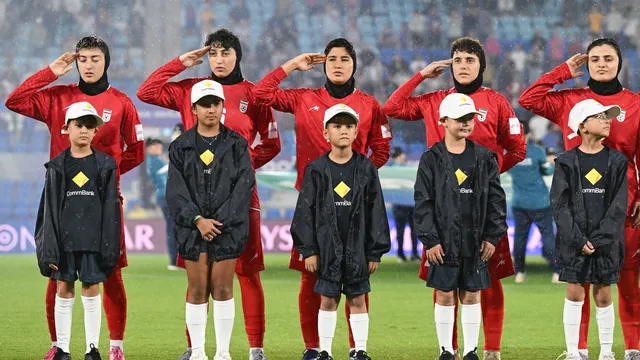
- The Iranian women's football team faced threats from authorities after silent protests during their national anthem.
- Five players defected to Australia seeking asylum due to fears of repercussions upon returning home.
- The situation has raised international awareness about the risks athletes face under oppressive regimes.
Story
Iran's women's football team was in Australia for the AFC Women's Asian Cup when they faced a life-threatening situation amid growing unrest in their home country due to the ongoing conflict. Some players elected to remain silent during the national anthem at their first match, which was viewed as an act of protest against the Iranian regime. Their decision led to suspicions and threats from Iranian authorities against those who did not conform to expectations. As a result, five players from the team took the courageous step of defecting, citing safety concerns for themselves and their families if they returned to Iran. An exiled crown prince warned of the dire consequences the players could face, including imprisonment or worse, should they go back after their nonconformity was broadcasted. Following pressure from international communities and after conversations with U.S. President Donald Trump, the Australian government began taking action to ensure the players’ safety, ultimately granting asylum to these five footballers. However, while some of the team members chose refuge, others decided to return home, driven by fears for family members who could be subjected to government backlash. Despite changing circumstances, the Australian officials facilitated a safe haven for the women while ensuring they were informed of their options. As tension escalated in Iran with predictions of severe penalties against the defectors, their journey sparked global conversations about human rights and the safety of athletes under oppressive regimes. This situation raised questions about the implications of protesting athletes and the potential actions that might be taken by governments to protect them.
Context
The political situation in Iran has a significant impact on various sectors, including sports and athletes. Over the years, the evolving political landscape has affected national representation, athletes' safety, and their overall careers. In particular, issues such as government policies, social unrest, and international sanctions have created an environment that can hinder athletes' performance and participation in global events. Athletes often find themselves at the intersection of politics and sport, where their achievements might be overshadowed by national tensions and governmental expectations. In Iran, athletes have faced challenges not only in training and competition but also in their personal lives. The pressure of representing a politically charged nation can create an atmosphere of stress and anxiety for athletes. Furthermore, political repression and restrictions on freedom of expression may force athletes to remain silent about their views on important matters, such as human rights. This can lead to a culture where athletes feel compelled to prioritize their national identity over their personal beliefs, impacting their mental health and public image. Moreover, international events have placed Iranian athletes in challenging positions. The Western world, influenced by political sentiments against the Iranian government, has occasionally led to sanctions and boycotts that can prevent athletes from competing or receiving support. Consequently, this can limit their exposure on international stages, reduce opportunities for sponsorships, and affect funding for training camps and facilities. As a result, Iranian athletes may experience limited recognition and resources compared to their counterparts in more politically stable countries. Additionally, the socio-political environment in Iran influences various sports' popularity and development. Many sports are supported by the government, which can be a double-edged sword; while on one hand, it provides resources, on the other hand, it invokes state control over what sports receive attention and support based on political ideals. As athletes strive for success on the global stage, they must navigate this complex socio-political landscape, which can ultimately shape their careers and the future of sports in Iran.


