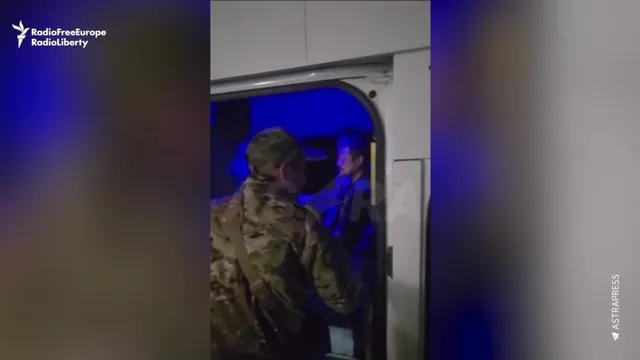
In recent weeks, reports have emerged from Russia indicating a troubling trend of forced military recruitment. Men are being arbitrarily detained off the streets and coerced into signing contracts that would send them to fight in Ukraine. This practice has been particularly noted in the town of Kamenka, west of Penza, where families have reported their loved ones being taken without warning. Witnesses describe scenes of desperation, with relatives pleading for information about the detained men. The situation has escalated to the point where rights activists are warning that it is becoming dangerous for men to walk the streets, as anyone can be targeted for recruitment.
The recruitment efforts have been fueled by a combination of financial incentives and coercion. Russian officials have utilized both federal and regional budget payments to encourage men to voluntarily enlist. However, as the war continues and casualties mount, the Kremlin's reliance on these tactics has intensified. Reports suggest that Ukrainian drone attacks are keeping pace with Russia's recruitment efforts, prompting recruiters to increase wages and bonuses to attract new volunteers. This has created a sense of urgency among military officials to maintain a steady flow of recruits.
The accounts of forced recruitment are not isolated to Penza; similar incidents have been reported in other regions of Russia. Families are living in fear, with many feeling that their homes are no longer safe from government intervention. In one instance, a man was taken from his home after authorities broke down his door, highlighting the aggressive tactics being employed. The psychological toll on families is significant, as they grapple with the uncertainty of their loved ones' fates and the potential for violence during these detentions.
As the situation unfolds, it raises serious questions about the Kremlin's strategy in the ongoing conflict. The forced recruitment of men not only reflects a desperate need for soldiers but also indicates a broader societal impact, as communities are torn apart by the actions of the state. The implications of these tactics could have lasting effects on public sentiment towards the government and the war itself, as more families experience the trauma of losing their loved ones to a conflict they may not support.