
environment
informative
update

Wildlife replaces historical figures on UK banknotes

Mar 11, 2026, 1:07 AM70
(Update: Mar 15, 2026, 1:51 AM)
central bank of the United Kingdom

Wildlife replaces historical figures on UK banknotes

  • The Bank of England will replace historical figures on banknotes with British wildlife.
  • A public consultation revealed wildlife as the preferred theme for new banknotes.
  • This shift aims to increase counterfeit resilience while celebrating the UK's natural heritage.
Share your opinion
7

Story

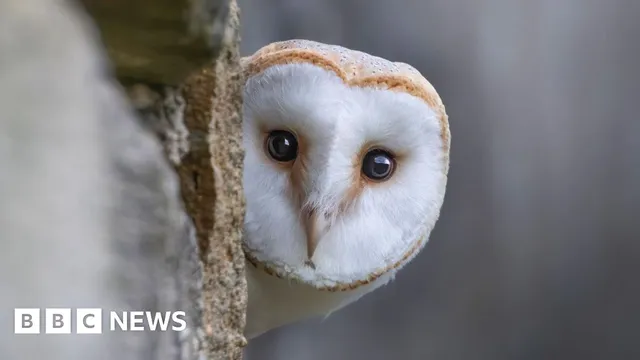
In the United Kingdom, the Bank of England has announced a significant change to its banknote designs, which will now feature British wildlife instead of historical figures. This decision follows a public consultation where nature was the most favored theme among the 44,000 responses received, with 60% of participants advocating for wildlife imagery, as they preferred a more culturally encompassing representation of the nation. The change will end over 50 years of utilizing images of historical characters such as William Shakespeare and Sir Winston Churchill on banknotes. The new series will include a variety of animals, birds, and potentially other natural elements like plants and landscapes, while avoiding depictions of household pets. King Charles' portrait will remain on the notes, maintaining a connection to the monarchy. According to Victoria Cleland, the Bank's chief cashier, the primary reason for this design overhaul is to enhance the resilience of the banknotes against counterfeiting while also taking the opportunity to celebrate different aspects of the UK's natural heritage. While the introduction of wildlife on banknotes aims to create a more inclusive representation, it also comes after controversy surrounding previous designs, particularly the absence of women and the lack of representation from ethnic minorities. The banknotes issued over the past several decades primarily showcased well-known historical figures. This change to a wildlife-centric design could potentially minimize backlash from groups advocating for a more diverse and representative selection. The potential designs will be determined through a second consultation expected to run this summer, where members of the public will again have the opportunity to weigh in on their preferred wildlife representations. The bank aims to align with the success of other countries that have successfully integrated nature themes into their currency, signifying a broader recognition of wildlife as an integral part of British culture. This initiative stands to reflect the value placed on nature in everyday life, deepening the connection between the British public and their environment through everyday currency.

Context

Banknotes serve as not just a medium for financial transactions but also as significant cultural artifacts that reflect the values, history, and identity of a society. Each design and representation on banknotes can tell deep stories about a nation's heritage, including its political evolution, famous figures, important events, and cultural symbols. The imagery selected for banknotes often communicates what a society deems important, celebrating its legacy while simultaneously educating future generations about their national narrative. For instance, many countries feature leaders who played pivotal roles in their independence or notable cultural icons that exemplify national pride. The impact of banknotes on culture extends beyond mere representation; they also serve as a source of pride and a tangible connection to a nation's history. The process of designing banknotes often involves extensive research into cultural elements that should be depicted. This requires collaboration with historians, artists, and community leaders, ensuring a diverse and authentic representation of society's values. By showcasing a wide array of cultural figures, from musicians to scientists, banknotes can become a canvas that highlights a nation's diversity and achievements. Furthermore, the practice of updating banknote designs to reflect contemporary society or recent developments indicates a nation's ability to evolve while honoring its past. In addition to cultural representation, banknotes also hold significant implications for how citizens view themselves and their nation in a global context. Currency designs can foster a sense of belonging and national unity, reinforcing the shared values and aspirations of the population. In contrast, the exclusion of certain groups or historical events can lead to feelings of marginalization or misrepresentation. Many countries have faced backlash for their choices in banknote imagery, which can trigger public debates about whose stories are told and whose are omitted. This conversation is crucial in shaping inclusive representations that resonate with all members of society. Moreover, as the world becomes increasingly digital, the role of banknotes is evolving. The transition to digital currencies and cashless transactions raises questions about how cultural representation may change or diminish in cashless economies. While physical banknotes provide a tangible link to culture and history, digital currencies may lack this identity, which could affect how communities connect with shared values. Ultimately, the impact of banknotes on culture and representation is profound and multifaceted, serving as both a reflection of and an influence on national identity.

2026 All rights reserved
