

Ukraine is the frontline of European defense, warns armed forces minister
Ukraine is the frontline of European defense, warns armed forces minister
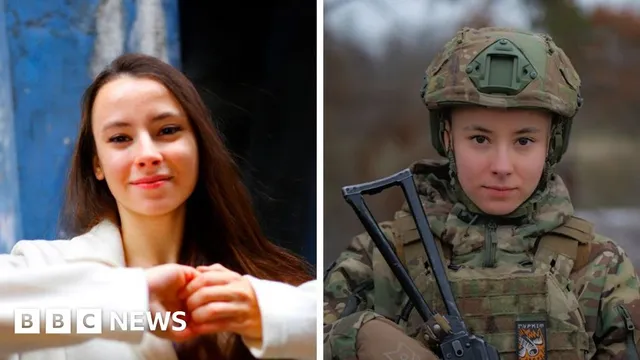
- The ongoing war has fundamentally changed the lives of many Ukrainians, with civilians becoming soldiers amid the conflict.
- Personal narratives from six individuals reveal the toll of war on their identities and values.
- The armed forces minister emphasized the importance of Ukraine's role in European defense against Russian aggression.
Story
Four years into the ongoing war in Ukraine, the lives of many ordinary Ukrainians have dramatically shifted as they have transitioned from civilians to soldiers. The conflict, which escalated when Russia invaded Ukraine in February 2022, has forced many individuals to reevaluate their roles and identities. Personal stories shared by six Ukrainian men and women illustrate how the war has altered their perceptions of life and duty. For instance, Olena, once a nightclub administrator in Prague, now feels a strong sense of responsibility, saying, 'My place is here as long as the enemy is in my house.' Similarly, Oleh, who had never imagined himself in the military, was initially confused by the situation but felt compelled to defend his country. The impact on younger generations is profound as well; Anastasiia, at just 19, reflects on her growth in values and purpose due to her military service. Viktor, who left Poland to rejoin Ukraine amid the invasion, perceives himself as having transformed into a different person, shaped by the trials of war. Kyrylo emphasizes the loss of his previous plans and the weight of needing to stand up for his country, reflecting the desperation and determination many feel during this ongoing conflict. In another development, Al Carns, a former special forces colonel and armed forces minister in the UK, highlighted the parallels between the current conflict and the lead-up to World War II. He emphasized that Ukraine is at the forefront of Europe's defense against Russian aggression and categorized various threats faced by the UK and its allies from Russia, including cyberattacks and disinformation campaigns. Carns noted that Russia's strategies have evolved beyond conventional warfare, targeting societal divisions as a means of warfare and influence. He stated, 'History doesn't repeat itself, but it sure does rhyme,' underscoring the urgency of understanding current geopolitical dynamics and the need for readiness against both conventional military threats and subtler forms of interference.
Context
The ongoing conflict in Ukraine, which escalated in 2022, has had a profound and multifaceted impact on civilians. As hostilities intensified, millions of people were displaced from their homes, with many seeking refuge in neighboring countries or becoming internally displaced within Ukraine. The humanitarian crisis extends beyond mere displacement; it encompasses a severe breakdown in essential services, including healthcare, education, and basic utilities. Access to safe drinking water and sanitation has been compromised in many areas, exacerbating the living conditions of civilians caught in the conflict. The United Nations estimated that millions of Ukrainians faced food insecurity, highlighting the escalating need for humanitarian aid and support amidst the violence. The psychological toll of the war on civilians has been significant and warrants urgent attention. Bombardments and the constant threat of violence have instilled fear and anxiety among the population. Reports suggest that mental health issues, including PTSD and depression, have soared as children and adults alike grapple with the trauma of loss, displacement, and uncertainty. Communities have been profoundly affected as the fabric of social life unravels; schools and healthcare facilities have been targeted, leading to deep emotional scars within the population. Emotional support and resources for mental health have become increasingly important but remain underfunded and underprioritized in the face of the vast physical needs. Furthermore, the war has brought about heightened vulnerability for women and children, who often bear the brunt of conflict-related violence. Incidents of domestic violence have reportedly increased as families face the stresses of war conditions. Children, in particular, have been deprived of stability, education, and sometimes, basic safety. Efforts to protect these vulnerable groups are vital in the larger picture of post-conflict recovery and rebuilding. There have been calls from various organizations for comprehensive protections and targeted approaches to ensure the safety and well-being of women and children amidst the ongoing turmoil. The international community has responded to the crisis with varying degrees of support, yet challenges persist in efficiently delivering aid due to the security situation and logistical hurdles. The global response, while emphasizing emergency relief, highlights the importance of sustainable solutions to aid affected populations long-term. Rebuilding efforts will require not only immediate humanitarian assistance but also investments in infrastructure, social services, and economic opportunities to restore normalcy in the lives of millions of Ukrainians. The impact of the Ukraine war on civilians cannot be overstated; effectively addressing these challenges is essential to charting a pathway toward healing and recovery as the conflict evolves.


