
Iran conflict causes massive disruptions in global travel plans
- Thousands of passengers are facing significant disruptions due to drone strikes on Dubai's airport.
- Travelers from the UK and Australia have reported substantial financial losses and rerouted trips.
- The ongoing conflict emphasizes the vulnerability of global travel networks and the specific risks posed by regional turmoil.
Story
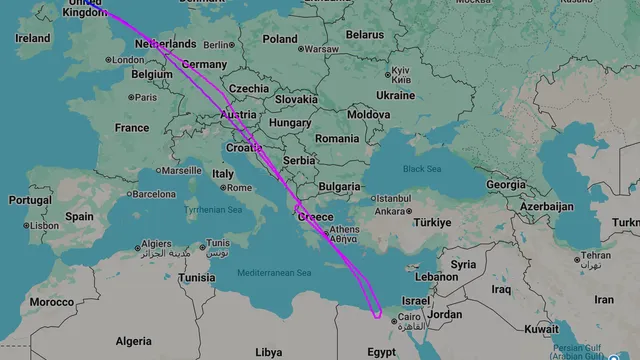
The ongoing conflict in Iran has escalated, resulting in major disruptions for travelers, particularly impacting those from the UK. Thousands of passengers, including families, are facing the fallout from flight cancellations and extensive rerouting due to safety concerns stemming from drone strikes targeting Dubai. Major airlines, including Emirates and Etihad, are struggling with flight schedules as airspace in the region remains volatile. This situation is not isolated; it represents a broader consequence of geopolitical tensions that can paralyze travel networks and increase operational costs for airline companies. As a result of these disruptions, many travelers are left scrambling for alternative arrangements, often incurring substantial additional costs, as seen in several cases. Australian families, for example, have reported losses exceeding A$10,000 while attempting to reroute their trips to avoid the Middle East conflict. Airlines like Cathay Pacific and Qantas are witnessing a surge in demand from passengers seeking routes that bypass the troubled regions, indicating a significant shift in travel preference influenced by safety concerns. The chaos also highlights a pressing issue within the aviation industry regarding fuel supply. Analysts are warning that ongoing conflicts might lead to fuel shortages, posing further challenges for airlines reliant on Middle Eastern resources. Passengers trying to return to the UK from global destinations may face additional complications due to the reduced number of flights, resulting in extended waiting times and potentially lost revenue for air carriers. This compounding problem paints a grim picture for both travelers and airlines as they navigate the aftermath of regional conflict. Ultimately, as the geopolitical landscape shifts and the costs associated with travel continue to rise, travelers must closely monitor updates regarding flights and adhere to changing itineraries. The unpredictability of international travel now poses more risks than ever, influencing patterns and necessitating a reconsideration of upcoming travel plans. The future of airline routes and the aviation industry as a whole will likely depend heavily on the resolution of ongoing conflicts and their effect on global travel dynamics.
Context
The ongoing conflict involving Iran has significantly influenced global travel patterns, creating both disruptions and new dynamics in international mobility. Various factors including geopolitical tensions, security concerns, and changes in regulations have led travelers to reconsider their itineraries. As tensions escalate, regions adjacent to Iran may also experience an influx of travel advisories, prompting carriers to either alter flight routes or suspend services altogether. This, in turn, not only affects the travel plans of individuals but can also lead to substantial economic repercussions for countries reliant on tourism from the Middle East and well beyond. Moreover, the changes in travel patterns are not confined solely to immediate neighboring countries of Iran; long-haul routes have seen a decline in passenger numbers as airlines and travel agencies navigate the uncertain landscape of conflict-affected regions. Travelers are prioritizing safety, leading to a shift in preferences towards destinations considered secure. The rise of security assessments and strategic travel planning underscores how the Iran conflict reshapes tourism logistics, with travelers opting for alternate routes and modes of transport. Countries that perceive themselves as safe havens are likely to see increased interest, thus altering the traditional flows of international tourism. In light of these developments, organizations within the travel and hospitality sector are urged to adapt to the changing climate by enhancing communication strategies and offering flexible cancellation and rescheduling options. Travel insurance policies are also becoming increasingly relevant as they provide a safety net amid rising uncertainties around geopolitical conflicts. Stakeholders in the tourism sector are adjusting marketing strategies to assure prospective travelers regarding safety and security, with particular emphasis on mapping travel trends and consumer behavior in regions surrounding Iran. Looking forward, it is crucial for governments and travel authorities to foster an environment of cooperation in addressing challenges arising from the Iran conflict. Diplomatic efforts may play a pivotal role in stabilizing not only travel to and from Iran but also the broader region. Enhanced collaboration between countries can lead to improved safety measures and the formulation of clear travel guidelines, ensuring that potential barriers to travel become manageable. As global mobility continues to be influenced by conflict and tensions, adaptability and proactive measures will remain key for the travel industry.
