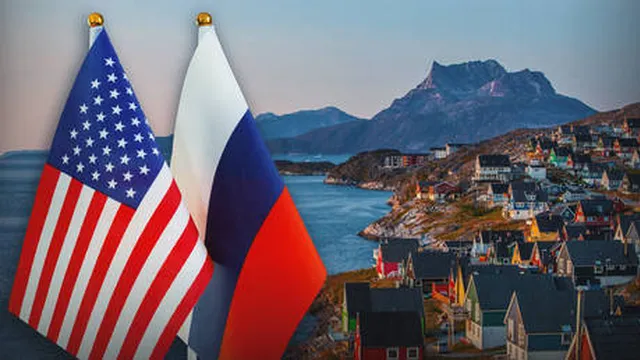
NATO boosts Arctic presence amid Russia and China's military incursions
- In February 2026, NATO announced plans to enhance its military presence in the Arctic amid rising tensions with Russia and China.
- Over 100 incursions by Russian and Chinese military forces into U.S. Arctic defense zones have been reported since 2019, prompting calls for increased security measures.
- The Arctic Sentry initiative aims to strengthen NATO's posture and collective defense in response to these escalating geopolitical challenges.
Story
On February 6, 2026, NATO announced plans to enhance its military presence in the Arctic, particularly around Greenland. This decision comes as tensions heighten due to over 100 military incursions by Russia and China into U.S. Arctic defense zones since 2019. The increase in incursions has prompted U.S. Senator Dan Sullivan to advocate for strengthening Coast Guard capabilities and boosting U.S. military readiness in Alaska. The initiative, referred to as 'Arctic Sentry,' aims to bolster collective security and address concerns raised by President Donald Trump's previous comments on Greenland's defense. NATO's actions underscore the alliance's commitment to maintaining security in the region amidst challenges posed by foreign powers. In response to President Trump's concerns regarding Greenland's security and territorial integrity, NATO is gearing up for a planned invasion, as outlined by spokesperson Martin O'Donnell. He conveyed that the measures, including military planning for the mission, would demonstrate NATO's vigilance over the Arctic and reassure member states about their collective defense capabilities. This strategic move is indicative of the shifting dynamics in the Arctic region, where the melting ice is opening new shipping lanes and heightening competition over territorial claims, particularly between the U.S., Russia, and China. With Russia possessing the largest Arctic coastline and a formidable icebreaker fleet, the country has emphasized its commitment to defending its interests and has dismissed accusations regarding its actions in Greenland. Finland's recent defense collaboration with the U.S. and commitments from other member nations signify an expanding awareness of Arctic security implications. Additionally, the Norwegian domestic security service has flagged increased Russian espionage efforts in Arctic regions, amplifying concerns about potential sabotage aimed at NATO allies, particularly in Norway. As Arctic presence expands, Western nations are increasingly focusing on military infrastructure, including new icebreaker vessels leading to improved coast guard capabilities. Experts warn that both Russia's surveillance activities in Norway and China's expanding role as a 'near-Arctic power' complicate the security dynamics in this sensitive area. China has cultivated relationships with Nordic nations to secure access to Arctic shipping routes while remaining a key player in regional economic competition, exhibiting how geopolitical tensions will continue to evolve in the Arctic as nations navigate these critical issues.
Context
The military strategy of Russia in the Arctic is shaped by a combination of territorial claims, resource exploration, and geopolitical concerns. Following the melting of Arctic ice due to climate change, the region has become increasingly accessible, highlighting its significance not only for emerging shipping routes but also for untapped natural resources like oil and gas. The Russian government has recognized these factors, prompting an increase in military presence and infrastructure development within its Arctic regions. By establishing military bases, enhancing naval capabilities, and deploying advanced weaponry, Russia aims to assert dominance over the Arctic and protect its national interests. Central to the Russian Arctic military strategy is the modernization of its Arctic forces, which involves equipping troops with specialized cold-weather gear and training for extreme conditions. Russia has expanded its Arctic land forces, notably through the establishment of the Arctic Joint Strategic Command, which demonstrates a commitment to ensuring readiness and response capabilities in this strategically vital region. Furthermore, the nation has actively sought to enhance its icebreaker fleet, allowing for year-round navigation and strengthening logistical support essential for sustaining military operations in the harsh Arctic environment. Furthermore, Russia's approach in the Arctic is characterized by a blend of collaboration and confrontation. While engaging in joint ventures with neighboring states, like Norway and Canada, regarding search-and-rescue operations and environmental protection, Russia also stands firm in its claims against what it perceives as encroachments by NATO member states. This duality in strategy is illustrated by its participation in the Arctic Council, where it engages diplomatically while simultaneously fortifying its military capabilities, particularly in response to increasing NATO activities in the region. This proactive stance aims to deter opposition and reinforce its claim on the Northern Sea Route and the natural resources along the continental shelf. In conclusion, the Russo-Arctic military strategy embodies a comprehensive plan combining military preparedness with diplomatic engagement. As the region continues to gain importance on the global stage due to declining ice levels and competing interests, Russia's strategic objectives will likely remain focused on establishing itself as a dominant power in the Arctic. This not only involves the protection of its territorial integrity but also securing vital economic resources and leveraging geopolitical influence. Consequently, the Arctic is expected to evolve into a focal point of international relations, where Russia's military posture will play a pivotal role in shaping the future of the region.