

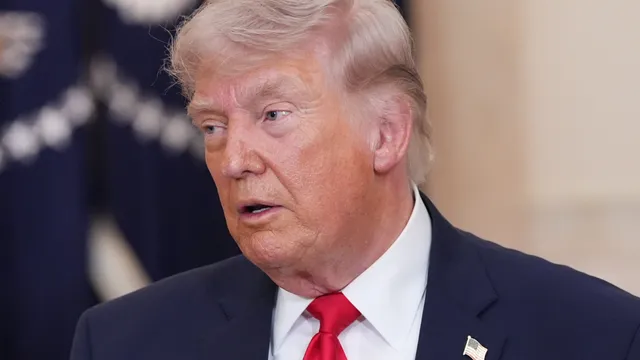
Donald Trump faces declining approval ratings amid economic and foreign policy challenges
Donald Trump faces declining approval ratings amid economic and foreign policy challenges
- A recent poll shows Trump's approval rating has dropped to 39 percent, reflecting increasing dissatisfaction among voters.
- The survey highlights substantial disapproval regarding the president's handling of inflation and foreign affairs.
- These declining approval ratings may have significant implications for the Republican Party as midterm elections approach.
Story
In the United States, recent polling indicates that President Donald Trump's approval ratings have dropped significantly amid ongoing economic challenges and the war with Iran. A survey conducted by Issues & Insights/TIPP showed that only 39 percent of the respondents view Trump favorably, down from 42 percent in the previous survey. This decline is a part of a broader trend indicating falling support among low-income voters, which is critical for Trump's electoral coalition as the nation approaches midterm elections. The president's handling of key issues including inflation, the economy, and foreign affairs has been met with widespread dissatisfaction from the electorate. Notably, Trump's net ratings on inflation reached a record low of minus 45 points, with only 35 percent approval from respondents. Similarly, in dealing with foreign affairs, Trump's ratings stood at minus 28 points, indicating that discontent with his administration is increasing across various topics. The polls suggest a growing sense of discontent as voters express their opinions through letter grades on 16 different policy issues, with a substantial number awarding Trump failing marks. Despite claims from the White House asserting that Trump has achieved historic accomplishments, the current political climate is under significant scrutiny. The ongoing war with Iran and rising economic pressures have shifted public sentiment against the administration, leading to the erosion of support within the Republican Party. Trump’s favorability rating among Republicans fell from 81 percent to 77 percent, which reflects a notable dip in enthusiasm, even in his own party. Political analysts are closely monitoring these developments as the nation moves towards the midterm elections. Republicans face potential risks if support continues to decline, as voters often use congressional races to express dissatisfaction with the party in control. The administration's capability to rebound will heavily depend on how effectively it can address the pressing issues of inflation and foreign policy, alongside engaging with voters' concerns ahead of the upcoming electoral cycle.
Context
The approval rating history of Donald Trump has been a subject of considerable interest and analysis since he took office in January 2017. Throughout his presidency, Trump experienced fluctuating approval ratings influenced by various factors including economic performance, foreign policy decisions, and domestic issues such as immigration and healthcare. Initially, Trump maintained a relatively high approval rating that hovered around 45-50%, but as controversies and challenges arose, his rating saw significant declines. For instance, the handling of the COVID-19 pandemic in 2020 marked a turning point, with approval ratings dropping to the low 30s as public perception of his response became increasingly critical. Following his presidency, Trump's approval ratings continued to be a focal point for political analysts and strategists. Post-election, Trump's approval saw a marked decline, falling below 40%, as many Americans expressed dissatisfaction with his response to the election results and the Capitol riot that occurred in January 2021. The effects of partisan polarization also played a crucial role in shaping how different demographic groups viewed him. Republicans generally continued to support him strongly, while disapproval ratings among Democrats and independents spiked dramatically. In the years following his presidency, Trump's approval ratings showed signs of stability in the Republican base, yet they remained a point of contention in the broader political landscape. Polls indicated that while he still commanded significant loyalty among Republican voters, broader public opinion was often critical. Issues such as his repeated claims of election fraud and the ongoing investigations into his business practices kept him as a polarizing figure. Overall, Donald Trump's approval rating history encapsulates the intense political divide and the challenges faced by leaders in navigating public sentiment. His ratings are indicative of a rapidly changing political environment in the United States, where media portrayal, social media influence, and major events can dramatically alter public perception. Analyzing these ratings provides insight not only into Trump himself but also the broader trends and shifts occurring within American society and politics.


