

sport
informative
update
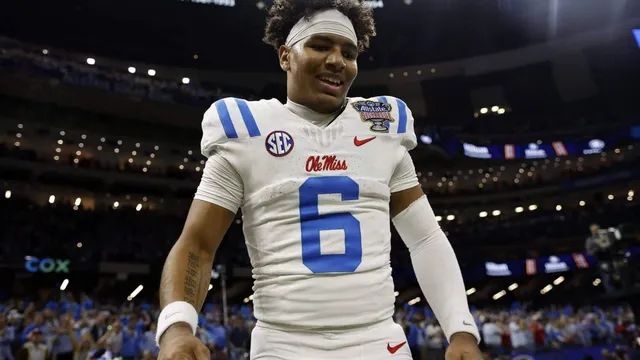
Trinidad Chambliss wins court battle to continue college football career
Mar 27, 2026, 1:00 AM20
(Update: Mar 28, 2026, 8:27 PM)
sport
informative
update
Trinidad Chambliss wins court battle to continue college football career
- Trinidad Chambliss's eligibility to play college football was upheld after the Mississippi Supreme Court denied the NCAA's appeal.
- Chambliss successfully argued for an additional year of eligibility due to an illness during his time at Ferris State.
- The ruling enables Chambliss to return as a key player for Ole Miss next season.
Insights
News 2 2
Reports
Opinions
Story
“
geopolitical impact global strategic impact analysis geopolitical global analysis economic analysis analysis global market geopolitical global analysis shift geopolitical market economic market global impact global analysis shift policy analysis insight policy economic policy shift insight policy market shift shift global economic insight policy impact global economic analysis impact global insight data impact strategic policy analysis data geopolitical impact global trends impact global geopolitical global market global market trends strategic policy trends impact analysis geopolitical strategic economic shift impact economic insight...
2026 All rights reserved



2026 All rights reserved