

Jair Bolsonaro admits to tampering with ankle monitor amid health issues
Jair Bolsonaro admits to tampering with ankle monitor amid health issues
- Jair Bolsonaro was arrested after tampering with his ankle monitor while under house arrest due to hallucinations and paranoia.
- The Brazilian Supreme Court deemed him a flight risk, citing violations of his house arrest terms.
- Public reactions to his arrest were divided, with protests occurring in various cities across Brazil.
Story
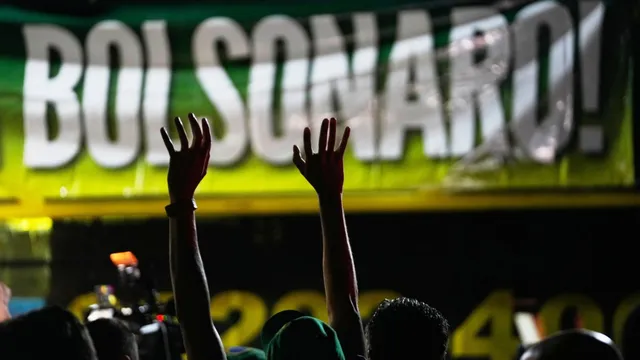
In Brazil, former President Jair Bolsonaro was arrested after he was found to have tampered with his electronic ankle monitor on November 23, 2025. The incident occurred during his house arrest, which was mandated by the Brazilian Supreme Court following his conviction for plotting a coup in September 2023. Bolsonaro, 70, claimed that his actions stemmed from hallucinations and paranoia related to changes in his medication, which included a selective serotonin reuptake inhibitor and a powerful analgesic. On the night of the incident, the Supreme Court received alerts about the tampering around midnight. Following a swift response, the court issued an arrest warrant citing Bolsonaro as a flight risk in the lead-up to his 27-year prison sentence. Despite his denial of any intention to escape, Justice Alexandre de Moraes explained that Bolsonaro's actions demonstrated a serious violation of his house arrest conditions and a blatant disregard for the court. Supporters and detractors of Bolsonaro reacted to his arrest with heated public protests across various Brazilian cities. While supporters organized vigils in his favor, opponents celebrated the arrest as a step towards accountability for the former president's alleged misdeeds. The decision to uphold his preemptive detention came after a panel of justices unanimously agreed that he posed a risk of fleeing from justice. Bolsonaro's lawyers suggested that his mental state had been adversely affected by his medication regimen, which they argue could lead to disorientation and hallucinations, thus prompting his actions. The legal team had previously requested his release from house arrest, highlighting his health issues and the medications he was prescribed. However, these requests were denied, and the court emphasized the importance of maintaining compliance with judicial orders to ensure public safety and uphold the rule of law.
Context
The impact of Jair Bolsonaro's arrest on Brazil's political landscape has been profound and multifaceted. Bolsonaro, a polarizing figure in Brazilian politics, had garnered both staunch supporters and fierce opponents during and after his presidency. His arrest was not merely a legal event; rather, it catalyzed a significant shift in the political dynamics of Brazil. Many analysts argue that this incident has effectively dismantled the political foundation he built during his tenure, leading to a vacuum of leadership within his party, the Alliance for Brazil. The ensuing chaos has prompted discussions about the stability of the current government and raised concerns about a potential resurgence of far-right populism in the future. In the immediate aftermath of his arrest, it became evident that Bolsonaro's influence over his loyalist faction began to wane. Within days, dissension arose among former allies, with many distancing themselves from him to preserve their political futures. This fracture within the far-right segment of the political sphere has led to opportunism among rival factions, enabling more moderate politicians to reassert themselves in Brazil’s dual-party system. The political environment grew increasingly volatile, as his supporters organized protests, demanding his release and accusing the government of political persecution. This led to heightened tensions not only between Bolsonaro loyalists and the current government but also among the general populace, where divided opinions intensified. The legal ramifications of his arrest also brought to the forefront issues of accountability and governance in Brazil. Questions surrounding corruption, human rights violations, and environmental policies reignited debates about the political elite's role in addressing issues that have long plagued the country. As investigations into Bolsonaro's actions during his presidency unfolded, many citizens became increasingly aware of the systemic issues within the political realm classifying the arrest as a pivotal moment in Brazil’s quest for deeper democratic reforms. Political analysts assert that the legal system’s response to his case could set precedents for future leaders and enhance or diminish trust in Brazil’s institutions. Looking ahead, the implications of Bolsonaro’s arrest are likely to reverberate through the 2026 elections, as emerging leaders carve a path out of the political debris. Candidates may take advantage of the shifting political landscape and reframe their platforms to cater to an electorate that is now more aware of governance challenges. Moreover, the attention on Bolsonaro’s case could inspire a more watchful citizenry, thereby demanding greater transparency and accountability from public officials. Ultimately, while Bolsonaro's arrest marks an end of an era defined by his rhetoric and policies, it simultaneously provides a unique opportunity for Brazil to reflect, restructure, and redefine its political future.


