

Idaho pushes to overturn same-sex marriage ruling
Idaho pushes to overturn same-sex marriage ruling
- Idaho's House of Representatives approved a resolution asking the Supreme Court to reconsider its legalization of same-sex marriage.
- This reflects broader tensions between state Republicans and federal views on marriage equality.
- The ongoing legislative push indicates continued opposition to same-sex marriage in some states.
Story
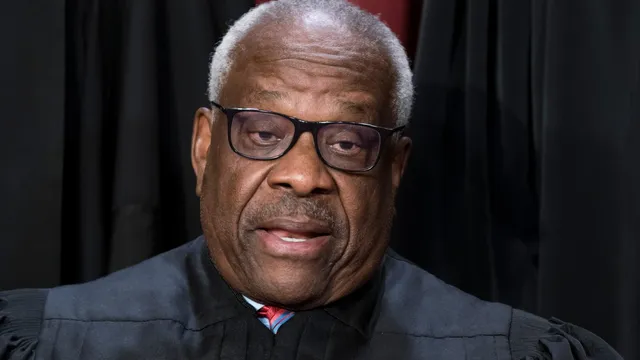
In early March 2026, Idaho's House of Representatives voted 44-26 to advance a nonbinding resolution asking the U.S. Supreme Court to overturn its 2015 ruling in Obergefell vs. Hodges, which legalized same-sex marriage nationwide. This resolution, known as House Joint Memorial 17, was backed by Republican state Representative Tony Wisniewski and aims to restore the traditional definition of marriage as a union between one man and one woman. The move comes as responses to the Supreme Court's previous decisions grow increasingly polarized, especially following the reversal of the constitutional right to abortion in June 2022, which prompted calls from Justice Clarence Thomas to revisit precedents, including Obergefell. Idaho voters had amended their state constitution in 2006 to define marriage strictly as between one man and one woman. However, in a pivotal ruling in 2014, a federal judge declared this amendment unconstitutional, thus legalizing same-sex marriage in Idaho. This legal situation highlights ongoing tensions between state lawmakers in Idaho and the mandates set by the U.S. Supreme Court regarding marriage equality. Despite the House's recent approval of the resolution, same-sex marriage remains legal in Idaho unless the Supreme Court decides to revisit and potentially reverse the Obergefell ruling. The Idaho House had previously passed a similar resolution last year by a vote of 46-24, but it did not progress in the Senate. This renewed effort reflects a broader trend among conservative lawmakers across multiple states, where at least nine other states have introduced measures aimed at urging the Supreme Court to reconsider the same ruling. The proposals vary in their approach, with some aiming to codify marriage as a union between one man and one woman without directly referencing Obergefell. The public opinion regarding same-sex marriage among Republicans has shown significant fluctuations, with recent polls indicating a drop in support from 55% in 2021 to 41%. This declining support may influence future legislative actions, especially in traditionally conservative regions. The continued pushback against same-sex marriage not only affects thousands of same-sex couples currently married in Idaho, many of whom have wed for over a decade, but also underscores the ongoing culture wars playing out in America.
Context
The impact of Supreme Court rulings on marriage equality has been profound and transformative in shaping both legal frameworks and societal norms regarding the recognition of same-sex marriage in the United States. The landmark case of Obergefell v. Hodges in 2015 is perhaps the most significant ruling to date, as it established that same-sex couples have a constitutional right to marry under the Fourteenth Amendment. This decision not only solidified the legal basis for marriage equality but also acted as a catalyst for broader acceptance of LGBTQ+ rights across the nation. The ruling invalidated state bans on same-sex marriage, thereby recognizing the dignity and humanity of all committed couples, regardless of their sexual orientation. It marked a pivotal moment in the ongoing struggle for equality, signifying a dramatic shift in public attitudes towards LGBTQ+ individuals and their right to form families legally recognized by the state. Prior to Obergefell, various states had taken different approaches to marriage equality, leading to a patchwork of legal recognition. For instance, some states had legalized same-sex marriage, while others enforced discriminatory bans. This inconsistency created legal ambiguities and hardships for same-sex couples, who often faced challenges navigating benefits, healthcare, and parental rights across state lines. The Supreme Court's ruling helped to unify the legal landscape, ensuring that same-sex couples in all states were afforded the same rights and responsibilities as their heterosexual counterparts. Furthermore, the impact of this ruling stretched beyond legal recognition; it served as an affirmation of the rights of LGBTQ+ individuals to participate fully in society without fear of discrimination. In addition to the direct consequences of specific rulings, the Supreme Court's endorsement of marriage equality has broader implications for civil rights jurisprudence. It sets a precedent for the recognition of other marginalized groups seeking equality under the law. The Court's interpretation of the Constitution as a living document capable of adapting to contemporary values fosters an environment where further advancements in social justice can be pursued. As LGBTQ+ rights continue to evolve, the judicial system remains a crucial battleground for safeguarding these rights against potential legislative backsliding or state-level discrimination efforts. Consequently, courts will likely play a vital role in addressing future challenges related to various aspects of LGBTQ+ rights. The societal response to these Supreme Court decisions has led to significant shifts in public opinion regarding marriage equality. Polls indicate increasing support for same-sex marriage among the American public, reflecting broader changes in cultural attitudes towards LGBTQ+ issues. Activism and advocacy have surged in the wake of these legal advancements, as individuals and organizations work tirelessly to ensure that the rights promised by these rulings are realized in practice, rather than merely in theory. The ongoing journey towards full equality for LGBTQ+ individuals underscores the importance of vigilance and advocacy, as each generation confronts new challenges in the pursuit of social justice. While Supreme Court rulings have fundamentally changed the landscape of marriage equality, the fight for comprehensive and lasting recognition of LGBTQ+ rights continues.


