

business
local
informative
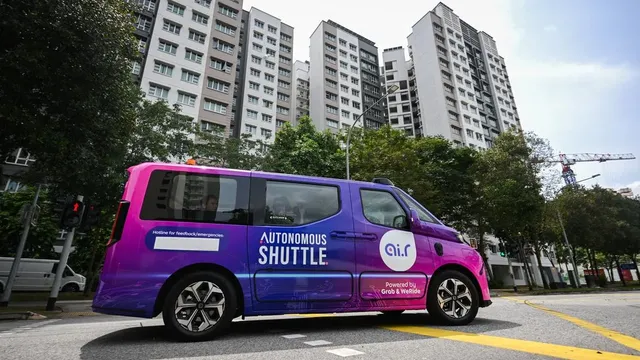
Punggol self-driving shuttles begin free rides on April 1
Mar 4, 2026, 6:35 PM10
(Update: Mar 4, 2026, 6:35 PM)
business
local
informative
Punggol self-driving shuttles begin free rides on April 1
- Self-driving shuttles in Punggol will begin offering rides for free on April 1.
- Two routes will be available for the shuttles, covering various local stops and enhancing connectivity.
- The initiative aims to familiarize residents with AV technology and improve public transportation experiences.
Insights
News 1 1
Related reports
Opinions
Story
“
trends global market insight economic strategic data data geopolitical data global analysis insight data impact analysis strategic strategic impact strategic policy policy shift trends strategic data shift geopolitical strategic analysis economic global market market shift analysis insight analysis policy shift trends data market analysis strategic market economic market economic impact policy strategic analysis shift analysis policy geopolitical strategic data insight strategic global analysis policy economic data global impact strategic data market policy insight insight impact strategic policy strategic policy geopolitical...
2026 All rights reserved



2026 All rights reserved