

Wiltshire rejects large solar farm plans amid local opposition
Wiltshire rejects large solar farm plans amid local opposition
- AEI Energy proposed a solar farm with 31,000 panels to meet renewable energy targets.
- Local residents opposed the project due to concerns about landscape impact.
- The planning committee denied the proposal, indicating a strong local resistance to large-scale solar developments.
Story
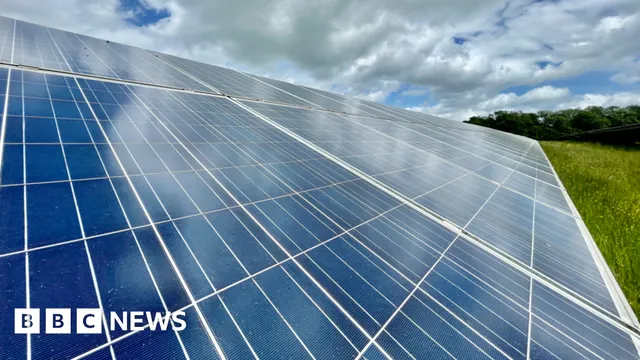
In England, plans to develop a solar farm and battery storage facility at Whistle Mead in Little Chalfield, near Melksham, faced rejection from Wiltshire Council's strategic planning committee on April 27, 2026. The proposal aimed to use an area equivalent to 24 football pitches for installing 31,000 solar panels. Local residents expressed significant concerns regarding the impact this would have on their landscape, fearing that the proposal would leave them 'surrounded' by solar farms. The planning committee debated for three hours, focusing on multiple factors influencing their decision, including the scale of the development and its potential fire risks. Despite the pushback from the residents, ABEI Energy, the company behind the plans, argued that this site was crucial for meeting the council’s target for renewable energy generation by 2030, projecting that the solar farm would contribute 14 megawatts of clean energy to the local grid, potentially powering around 5,000 homes. The discussion concluded with a motion to refuse planning permission, primarily based on concerns about the size and cumulative impact of the proposed site and others in the area. This motion passed with a 6 to 2 voting result and included one abstention. The project was also situated approximately 180 meters from the nearest residential house, and under one mile from the Grade I-listed Great Chalfield Manor, which compounded the concerns regarding its visual impact on the landscape. Given the increased necessity for domestic energy and fuel resilience highlighted by global events, the rejection of this proposal has sparked discussions on balancing renewable energy strategies with community needs. In response to the rejection, ABEI Energy is expected to appeal to the Planning Inspectorate, seeking a resolution that would allow the proposed solar farm to move forward despite the council's decision. The planning committee’s decision highlights a significant community divide as renewable energy developments often face pushback from residents concerned about environmental and aesthetic impacts. This incident underscores the ongoing debate around renewable energy solutions and community acceptance, emphasizing the intricate relationship between local utilities and residents in future energy developments.


