
environment
catastrophic
tragic

UK faces unprecedented rainfall and flooding crisis in January 2026

Feb 7, 2026, 7:45 PM40
(Update: Feb 10, 2026, 9:55 AM)
country in north-west Europe, part of the United Kingdom
country in north-west Europe; part of the United Kingdom
country in north-west Europe

UK faces unprecedented rainfall and flooding crisis in January 2026

  • The UK faced record-breaking rainfall in January 2026, leading to 81 flood warnings in England and 11 in Wales.
  • Meteorologists noted that extreme weather was driven by a strong jet stream pushing low-pressure systems toward the UK.
  • There is a pressing need for nature-based solutions to mitigate flood risks and protect wildlife impacted by these conditions.
Share your opinion
4

Story

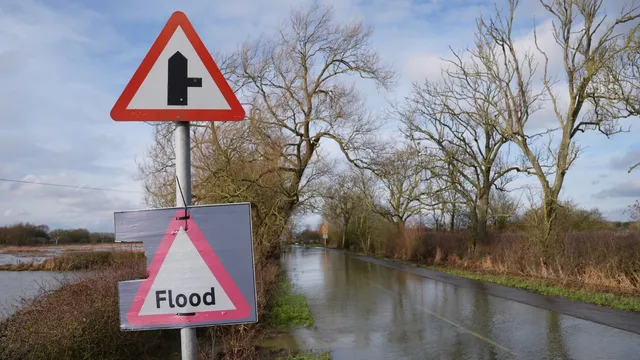
In January 2026, the United Kingdom experienced extraordinary rainfall levels that led to significant flooding across many regions. The intense rains resulted in 81 flood warnings in England and 11 in Wales. Areas like Cornwall and County Down registered their wettest January ever, while Northern Ireland experienced its most saturated month in 149 years. As February continued, the relentless downpours persisted, with some regions marking their 40th consecutive day of rain. Meteorologists from the Met Office reported that weather conditions were influenced by a strong south-shifted jet stream directing low-pressure systems towards the UK. This pattern not only contributed to higher-than-usual rain levels in the UK but also increased flooding in parts of Europe. As rainfall intensified, various regions surpassed their normal precipitation levels for winter, with England recording 111 percent of its average. While some areas prepared for a brief respite, more rains were anticipated soon. The impact of these extreme weather conditions has raised concerns among various environmental organizations. The Wildlife Trusts expressed worry over the toll on vulnerable wildlife, as many creatures rely on stable river levels. The saturated farmland also poses risks, as pollutants wash into already strained waterways. Experts cited that the rise in global temperatures due to the climate crisis leads to more frequent extreme weather, resulting in wetter winters dominated by heavy rains. This phenomenon threatens species like the water voles and kingfishers, especially in regions with high riverbanks. As climate change progresses, calls have arisen for nature-based solutions to combat rising flood risks in the UK. These include restoring wetlands and peatlands, which can help manage water retention in landscapes. Such efforts aim to slow runoff rates, reduce flooding consequences, and also provide crucial habitats for various species. While immediate relief is not guaranteed, strategies fostering resilience against future rainfall extremes are increasingly vital for both public safety and ecological health.

Context

Climate change is increasingly becoming a significant factor influencing rainfall patterns in the UK, with implications for various sectors including agriculture, water management, and urban planning. Recent studies indicate that rising global temperatures are altering the hydrological cycle, resulting in changes to precipitation frequency, intensity, and distribution across the UK. Evidence suggests that winter rainfall has become heavier and more concentrated, while summer rainfall may become less frequent and more variable. This shift is expected to exacerbate the risks of flooding during the winter months as a result of intensified rainfall events. Conversely, summer months may face periods of drought, impacting food production and water availability. Models predict that by the end of the century, the UK could experience a 20% increase in winter rainfall and up to a 15% decrease in summer rainfall, depending on the greenhouse gas emissions trajectory. These changes will likely lead to a greater incidence of extreme weather events, including flooding and prolonged dry spells. Flooding, particularly from surface runoff in urban areas, poses risks not only to infrastructure and property but also to public health due to potential contamination of water supplies. On the other hand, drought conditions can strain water resources, affecting agricultural output and leading to increased competition for water among different users. Adaptation strategies are crucial in mitigating the adverse effects of changing rainfall patterns. Improved water management practices, including sustainable drainage systems and rainwater harvesting, can help to cope with heightened rainfall and flood risks. Investment in natural flood management techniques, such as rewilding and restoring wetlands, can also provide ecological benefits while helping to manage water levels. Additionally, policymakers must consider the implications of altered rainfall on agricultural practices, including crop selection and soil management strategies to maintain food security in the face of changing climate conditions. Public awareness and community engagement are essential in building resilience against the impacts of climate change on rainfall. Increasing education on water conservation, climate adaptation strategies, and the importance of biodiversity can empower communities to take action at the local level. Collaboration among government bodies, researchers, and the private sector will be vital to develop comprehensive, data-driven approaches to climate risk management. As climate dynamics continue to evolve, ongoing monitoring of rainfall patterns will be critical to understand their impacts and to refine adaptation strategies in the UK.

2026 All rights reserved
