

Waymo launches fully autonomous robotaxi service on US freeways
Waymo launches fully autonomous robotaxi service on US freeways
Story
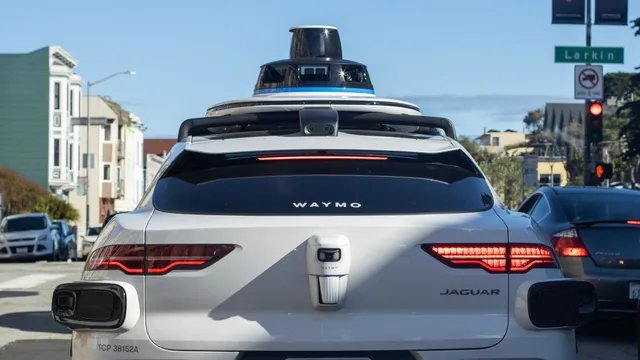
In a significant advancement for driverless technology, Waymo, a subsidiary of Alphabet, launched its fully autonomous robotaxi service on freeways in the United States. This groundbreaking achievement took place across three major cities: San Francisco Bay Area, Phoenix, and Los Angeles. The service allows users to access freeways without a safety driver, a notable distinction from competitors like Tesla. Waymo's initiative began with extensive testing and collaboration with safety officials, logging millions of miles on freeways. This expansion of the service into additional cities like Austin and Atlanta is planned for the future, with ongoing developments aiming to further enhance the scope of autonomous rideshare technology. In addition, Waymo indicated its intention to extend its services internationally, announcing plans to introduce its driverless taxi service in London by 2026, indicating the company’s rapid growth and ambition in the autonomous vehicle market. These developments highlight Waymo's efforts to remain at the forefront of the evolving transportation landscape by providing driverless options that could transform mobility as we know it. Overall, this achievement marks a significant milestone not only for Waymo but also for the broader automotive and tech industries, demonstrating the potential for autonomous vehicles to coexist with traditional transport methods.
Context
The safety regulations for autonomous vehicles in the United States encompass a complex framework designed to ensure the safe deployment and operation of these technologies on public roads. While no specific national law fully governs autonomous vehicles, several federal and state policies have emerged to create a regulatory landscape. The National Highway Traffic Safety Administration (NHTSA) plays a pivotal role in this framework by issuing guidelines and recommendations that automotive manufacturers and technology developers must adhere to. The NHTSA emphasizes the importance of safety in the design and testing phases of autonomous vehicles, urging developers to incorporate a safe-by-design principle that considers potential risks and failures in real-world scenarios. This includes rigorous testing protocols, performance evaluations, and ensuring that vehicles can handle a variety of driving environments and conditions safely. In addition to NHTSA guidelines, individual states have begun creating their own regulatory frameworks for autonomous vehicles. As of now, more than 30 states have enacted legislation addressing the testing and operation of these technologies. Variations exist in the regulatory requirements across states; for instance, some states require a safety driver to be present in the vehicle during testing, while others permit fully autonomous testing without human intervention. Furthermore, states like California and Arizona have emerged as leaders in autonomous vehicle testing due to their comprehensive regulatory environments, which allow companies to conduct trials while maintaining a focus on public safety. Data collection and privacy represent another significant aspect of the safety regulations surrounding autonomous vehicles. The regulation emphasizes the importance of responsible data use and transparency, particularly when vehicles collect and analyze data from their environments. Compliance with the Vehicle Data Privacy Act and similar laws is critical for ensuring that user data remains protected while not hindering the vehicle's operational capabilities. Autonomous vehicles are required to utilize secure communication channels and encryption techniques to safeguard sensitive information, which is crucial in maintaining public trust in these emerging technologies. Regulatory bodies continuously examine how data privacy legislation can evolve alongside technological advancements in the realm of autonomous driving. Moreover, the safety regulations for autonomous vehicles must also consider the ethical implications of decision-making algorithms used within these vehicles. The development of guidelines addressing ethical dilemmas—such as how a vehicle should react in a potential accident scenario—has begun to take place, highlighting the need for manufacturers to disclose their algorithms’ operating principles. As public acceptance of autonomous vehicles grows, evolving interpretations of what constitutes a safe and ethical response in complex situations will also shape regulatory outcomes. Both federal and state agencies are actively engaging with stakeholders, including technology companies, automotive manufacturers, and ethicists, to collaboratively establish a safety and ethics framework that upholds public safety while fostering innovation in autonomous vehicle technology.


