

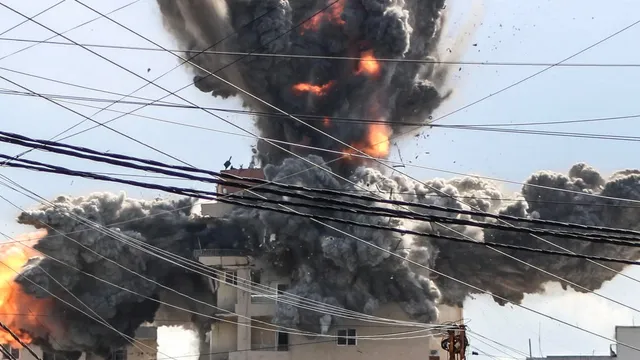
Iran controls oil trade amid escalating conflicts
Iran controls oil trade amid escalating conflicts
- Iran has increased its control over oil trading activities in the Strait of Hormuz amid ongoing military tensions.
- The recent military actions by the United States and Israel have heightened concerns regarding energy security and market stability.
- Countries are now focusing on diversifying their energy sources and boosting renewable energy options to reduce dependency on volatile foreign supplies.
Story
In recent days, tensions have escalated in the Middle East, specifically within Iran, resulting in increased control over oil trade routes, especially in the strategically significant Strait of Hormuz. Following military actions initiated by the United States and Israel against Iranian positions, the geopolitical landscape has shifted, influencing not only regional security but also global energy markets. The public narrative primarily focused on security concerns but exposed the underlying significance of energy as a tool of foreign policy amidst ongoing international competition. Despite the disruptions, oil prices have surged to around $97 per barrel, indicating a response from global markets to the rising tensions. Observers note the long-term implications of these developments as countries, particularly those lacking energy self-sufficiency, reassess their reliance on foreign energy. As hostilities continue, there is an urgent need for nations to diversify their energy supplies to mitigate dependence on the volatilities of Middle Eastern geopolitics. This situation is particularly relevant for Asian and European nations, where economic stability increasingly hinges on the accessibility of energy resources. The call for renewables and an energy transition has gained momentum as the nations confront the reality that energy, once thought to be stable, is once again being weaponized in international relations. The conflict also underscores the importance of clean energy supply chains becoming increasingly critical in the current geopolitical climate, thereby reshaping energy policies worldwide.
Context
The energy transition in the Middle East signifies a pivotal shift from traditional fossil fuel reliance to a more diversified energy landscape, driven primarily by renewable energy policies. Historically, the Middle East has been synonymous with oil and gas production, however, the global push for climate action alongside fluctuating oil prices has compelled nations in the region to rethink their energy strategies. This emergent transition is multifaceted, characterized by investments in solar, wind, and other renewable technologies, with countries like Saudi Arabia and the United Arab Emirates taking the lead through substantial initiatives such as Vision 2030 and Abu Dhabi's Renewable Energy Strategy 2030, respectively. These strategies prioritize renewable energy sources, aiming to generate a considerable portion of their energy domestically and ultimately reduce greenhouse gas emissions, showcasing a shift towards more sustainable energy practices. Investment in renewable energy infrastructure has escalated in response to international trends and domestic imperatives for energy security and diversification of the economy. The Gulf Cooperation Council (GCC) countries are recognizing the economic potential of renewables, not only for domestic energy consumption but also for export to global markets. The region possesses abundant solar energy potential due to its geographic and climatic conditions, making solar photovoltaics and concentrated solar power particularly attractive. Furthermore, enhanced governmental support and policy frameworks have improved the investment climate, providing incentives and fostering partnerships with private sector stakeholders. As a result, the Middle East is witnessing a growing number of large-scale renewable energy projects being developed, drawing both local and international investments. Challenges, however, remain prevalent within the sector. The transition to renewable energy requires substantial upfront investments and existing infrastructures designed for fossil fuels often need reconfiguration. Additionally, the regulatory landscape can pose hurdles, as traditional energy policies sometimes act as barriers to the integration of renewables into the energy mix. Addressing these barriers is crucial for the success of renewable energy initiatives, requiring collaboration between governments, private investments, and international organizations to establish regulatory frameworks that are both flexible and supportive of innovation. Moreover, public perception and the readiness of local markets to adapt to renewable technologies play significant roles in the pace of transition. Education and awareness campaigns can help overcome resistance and promote acceptance, thereby facilitating a smoother energy transition. Also, fostering local skill sets and technical capabilities in renewable energy technologies is essential for creating a sustainable employment landscape. Collectively, while the Middle East is in a nascent phase of this transition, with vast potential waiting to be harnessed, the concerted effort focused on effective renewable energy policies can fundamentally redefine the region's energy future.


