
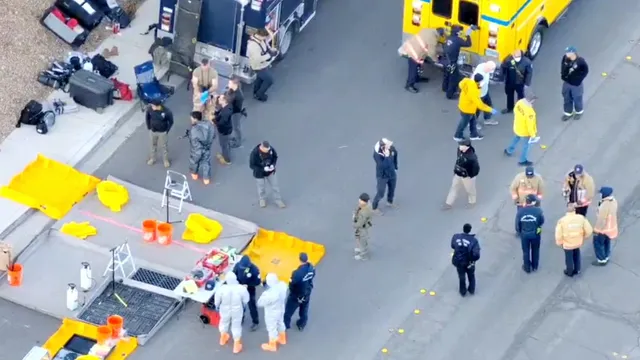
Las Vegas biolab linked to California suspect's illegal activities
- A suspected biolab was discovered in Las Vegas, containing hazardous substances and laboratory equipment.
- The property is linked to Jia Bei Zhu, who is facing charges related to a biolab operation in California.
- The discovery raises concerns about illegal biolab activities in residential areas and public safety.
Story
In 2023, a suspected biolab was uncovered in Las Vegas, Nevada, prompting a significant investigation. The Las Vegas Metropolitan Police Department and FBI executed a search warrant on a house located on Sugar Springs Drive. During this raid, investigators found potentially hazardous materials in the garage, which included refrigerators, a freezer, laboratory-type equipment, and several containers with unknown liquids. Three residents who rented rooms in the property were present at the time but were deemed unrelated to the investigation and were safely removed. Authorities later confirmed that the home was owned by Jia Bei Zhu, a Chinese national already in custody for operating a biolab in Reedley, California, where he was charged with multiple violations regarding medical devices and FDA regulations. Zhu's attorney stated that his client was not involved in any Las Vegas biolab activities. The connection between the two biolabs raised alarms, especially since Reedley officials had anticipated possible illegal operations in Las Vegas during their earlier investigation. Las Vegas City Manager Nicole Zieba mentioned that the previous findings in California hinted at more issues that could exist in Nevada, but they lacked the jurisdiction to investigate out of state. In the Las Vegas investigation, the items seized are currently undergoing analysis, suggesting they may be similar to those found in the California location. Additionally, Ori Salomon, the property's manager, faced accusations of disposing and discharging hazardous waste, and was also charged with illegal possession of firearms due to his immigration status. The presence of biohazard materials and equipment in residential areas prompts concerns regarding public safety and illegal operations. Thorough investigations continue as authorities disclose more details about the extent of these alleged biolabs.
Context
The impact of biolabs on public safety is an increasingly critical subject of examination in the realm of biosecurity. Biolabs, or biological laboratories, are facilities that house a wide range of biological agents, including pathogens that can cause diseases in humans, animals, and plants. Their primary purpose is typically research and development in areas such as vaccine production, disease prevention, and diagnostics. However, the containment and management of pathogens present inherent risks to public safety, particularly if mishandled or if accidents occur. The events surrounding outbreaks like SARS, Ebola, and the COVID-19 pandemic have magnified concerns regarding the potential for biolabs to contribute to disease spread, whether through accidental releases or inadequate security measures. This underscores the necessity for stringent safety protocols and effective regulatory oversight to mitigate risks to public health and connect the dots between global health security and local community safety. Public safety is further compromised by the potential misuse of biological agents for hostile purposes, commonly referred to as bioterrorism. The dual-use nature of research in biolabs—where scientific advancements can have both beneficial and harmful applications—warrants close scrutiny. There have been instances where research on dangerous pathogens has sparked ethical debates, especially when the potential for laboratory accidents or information leaks could lead to consequences far beyond the lab walls. Furthermore, inadequate infrastructure or training in countries with emerging or re-emerging infectious diseases elevates these risks, worsening public health outcomes in vulnerable populations. This necessitates international cooperation to foster standards that ensure safe handling of pathogens, not only within national borders but globally. The spatial and social context in which biolabs operate plays a significant role in evaluating their overall impact on public safety. Communities surrounding biolabs must be assured of the safety measures in place, as mistrust can easily arise from incidents where pathogens are cited as the origin of outbreaks. Engaging local populations through transparent communication and education regarding the operations of biolabs can enhance public confidence and collaboration in health initiatives. Moreover, it can help cultivate a more informed public that understands the relevance of biolabs in disease prevention. Stakeholders, including researchers, policymakers, and public health officials, must prioritize bridging gaps between scientific communities and local residents to build trust and promote health literacy around biolabs. The role of biolabs in public safety is a dynamic and complex issue that involves balancing innovation in biomedical research and ensuring the safety of populations. As advancements in biotechnology continue, ongoing evaluations of biolab safety protocols and regulatory frameworks are essential to adapt to emerging threats. Increased global interconnectedness also means that the repercussions of incidents at biolabs can span continents; thus, it is imperative that nations work together to strengthen safety standards and responses to biological hazards. By taking proactive steps, including implementing best practices in biolab management, the public can be better safeguarded against potential health crises, reinforcing the critical role that biolabs can play in enhancing overall public safety.
