

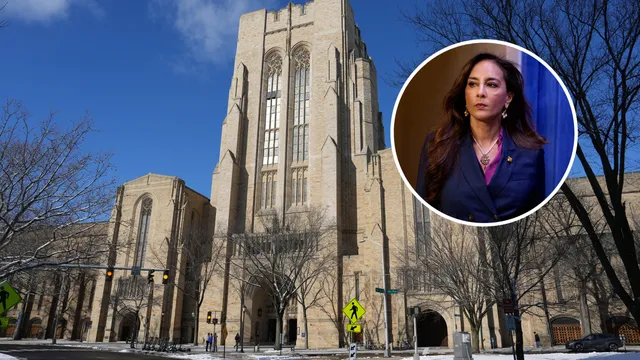
DOJ alleges Yale discriminates against white and Asian applicants in admissions
DOJ alleges Yale discriminates against white and Asian applicants in admissions
- The Department of Justice reported that Yale University engages in race-based admissions practices benefiting Black and Hispanic students over white and Asian applicants.
- The DOJ outlined significant disparities in academic metrics observed between racial groups in recent admissions classes.
- Continuing investigations into admissions practices raises critical questions about diversity and equity in higher education.
Story
In May 2023, the United States Department of Justice (DOJ) reported findings regarding admissions policies at Yale School of Medicine, claiming that race-based practices disproportionately benefited Black and Hispanic applicants compared to white and Asian counterparts. The DOJ asserted that these admissions approaches contradicted a Supreme Court ruling mandating reform in affirmative action policies. The investigation pointed out significant disparities in academic metrics such as GPAs and standardized test scores among admitted students, noting particularly that Black applicants had a much higher likelihood of receiving interviews. In light of these findings, the DOJ intensified its scrutiny on Yale and other elite medical schools, drawing attention to public safety concerns connected to the quality of medical education and training methods under these admissions practices. The DOJ's allegations claimed that Black candidates were 29 times more likely to secure interviews than equally qualified Asian applicants. The assistant attorney general, Harmeet Dhillon, outlined that Yale's continued reliance on race as a criterion for admissions remained in stark contrast to directives from the Supreme Court and the U.S. public. Consequently, the DOJ expressed intentions to seek a voluntary resolution agreement with Yale to rectify the situation, while also indicating readiness to proceed with legal action should compliance not be achieved. The scrutiny extended beyond Yale, as the Trump administration had been investigating several other notable institutions, including Harvard and UCLA, for similar race-based admissions practices. The announcement sparked widespread debate regarding the balance of diversity within educational institutions and the implications of race-neutral admissions policies. Supporters of the established diversity approaches argued that these practices foster inclusive educational environments, while opponents viewed them as unjust discrimination against non-minority groups. The findings highlighted critical discussions regarding the future of admissions processes, with implications for how educational institutions allocate opportunities among diverse student populations. In response to the DOJ's allegations, Yale maintained confidence in its admissions procedures, asserting that the process identifies exceptional candidates committed to medical education. This disagreement intensified the national dialogue around race in higher education, particularly within medical schools, as the debate over affirmative action and diversity initiatives gained momentum following the Supreme Court's ruling earlier in 2023. As federal scrutiny on race-based admissions applications unfolds, it signals a significant shift in policies affecting the entire academic landscape, with potential long-term repercussions for universities across the nation.


