

Israel intensifies strikes against Hezbollah amid ongoing Middle Eastern conflict
Israel intensifies strikes against Hezbollah amid ongoing Middle Eastern conflict
- The Iranian capital experienced a large explosion during a pro-Palestinian rally, which coincided with warnings of an impending Israeli strike.
- The humanitarian crisis in Lebanon intensified with nearly 800 deaths reported due to recent strikes against Hezbollah militants.
- The ongoing conflict between Israel and Iranian-backed forces has led to a significant U.S. military presence in the Middle East to bolster security.
Story
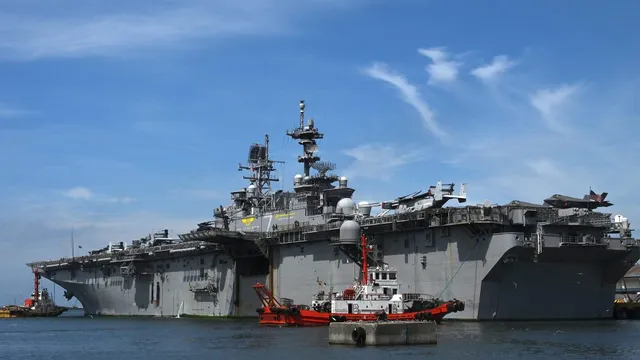
In recent weeks, tensions have escalated dramatically in the Middle East, particularly between Israel and Iran, as both sides engage in extensive military operations. The humanitarian situation in Lebanon has worsened significantly, with nearly 800 fatalities reported and over 850,000 individuals displaced due to the ongoing conflict. Furthermore, Hezbollah, which is a militant group backed by Iran, has been involved in retaliatory strikes against Israel, prompting a strong military response from the Israeli armed forces. In Tehran, an explosion rocked Ferdowsi Square where thousands gathered for an annual rally supporting Palestinians, coinciding with a warning from the Israeli military about impending strikes in the area. The aftermath resulted in a heightened state of alert and further violence in the region, with Iran continuing to launch missile and drone strikes against Israel and its allies. U.S. forces, meanwhile, are bolstering their presence in the region by deploying approximately 2,500 Marines and the USS Tripoli amphibious assault ship to assist in security and potential evacuations. Recent reports indicate that the Israeli air force has been active in targeting infrastructure across Iran, striking more than 200 military sites, including missile launchers and weapons storage facilities. These military operations are part of a broader strategy to dismantle Iranian military capabilities while responding to the threats posed by Hezbollah and other Iranian allies. As the situation develops, Israel anticipates further missile strikes from Iran, which have been consistent albeit not resulting in large-scale casualties on Israeli territory. The conflict, primarily fueled by long-standing regional tensions, has drawn international concern and prompted discussions about the humanitarian impact on civilian populations. With the implementation of military tactics and strategies from both sides, the cycle of violence continues, suggesting that a resolution remains far from reach. The escalation of hostilities poses significant risks of regional instability and exacerbates the already dire humanitarian conditions present in Lebanon and beyond.
Context
The current situation between Israel and Hezbollah remains tense and complex, shaped by a long history of conflict and regional dynamics. As of March 2026, there have been periodic flare-ups along the Israel-Lebanon border, characterized by mutual hostilities and threats. Hezbollah, a Shiite militant group based in Lebanon, continues to assert itself as a significant player in the region, often citing its role as a defender of Lebanese sovereignty and a resistance movement against Israeli actions. On the other hand, Israel has maintained a strict stance towards Hezbollah, viewing it as a terrorist organization and a primary threat to its national security due to its military capabilities and alliances with Iran and Syria. The regional balance of power is further complicated by Israel's ongoing military operations in Syria, aimed at countering Iranian influence and disrupting supply lines to Hezbollah. Diplomatic efforts to resolve tensions remain limited, with both sides engaging in hostile rhetoric and military posturing. Israel regularly conducts airstrikes against Hezbollah targets in Syria, which it claims are necessary to prevent arms transfers and bolster Hezbollah's military infrastructure. In response, Hezbollah has occasionally launched attacks on Israeli positions, using rockets and drones, leading to retaliatory strikes. The risk of miscalculation remains high, raising concerns about escalating violence that could engulf the broader region. Meanwhile, the United Nations Interim Force in Lebanon (UNIFIL) continues its mandate to monitor the ceasefire and reduce hostilities, but its effectiveness is often questioned amid increased militarization and challenges in the southern Lebanese regions. Public sentiment in Lebanon is mixed; while many support Hezbollah's resistance against Israel, there is also growing concern about the consequences of ongoing military confrontations on Lebanon's stability and economic recovery. The Lebanese economy, already in dire straits, suffers further from the fallout of these conflicts, as military engagements disrupt daily life and undermine development. In Israel, the public is generally supportive of the government's aggressive stance against Hezbollah, reflecting a strong desire for security amid fears of rocket attacks and other forms of aggression. However, critics argue that a purely military approach may not lead to long-term security and that dialogue should be explored as an alternative path. Looking ahead, the prospect of a peaceful resolution between Israel and Hezbollah remains uncertain. Ongoing geopolitical shifts in the Middle East, including the evolving relationships between Arab states and Israel, as well as Iran's strategic ambitions, will continue to influence the dynamics of the Israel-Hezbollah conflict. International actors, including the United States and France, remain engaged in attempts to mediate and stabilize the situation, but their efforts often face setbacks due to entrenched positions and the fragmented political landscape in Lebanon. As both sides continue to navigate their respective interests and security concerns, the potential for escalation and the need for diplomatic engagement remain pressing priorities in achieving a sustainable peace.


