

Iran claims victory in ongoing conflict with the U.S. and Israel
Iran claims victory in ongoing conflict with the U.S. and Israel
- Iran has sustained heavy losses from U.S. and Israeli bombing campaigns yet maintains a belief in victory.
- Tehran is aiming to leverage its control of the Strait of Hormuz in ongoing peace negotiations.
- By entering negotiations from a position of perceived strength, Iran risks overplaying its hand, potentially leading to prolonged conflict.
Story
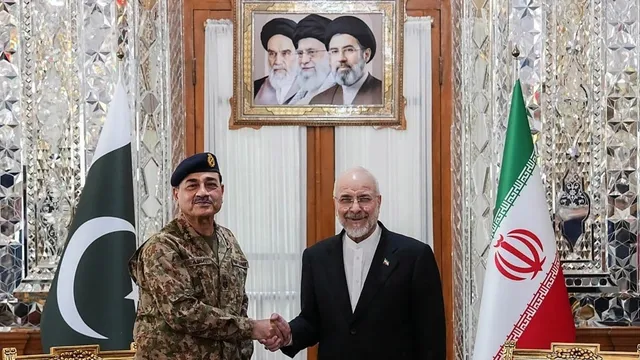
Iran has faced extensive damage due to a bombing campaign by the United States and Israel. This campaign has resulted in significant losses to Iran's military capabilities, the decimation of its leadership, and destruction of vital infrastructure. However, Iranian officials assert that despite such challenges, they perceive themselves as being on the winning side of an extended confrontation. A pivotal factor in Iran’s confidence stems from their control over the strategically important Strait of Hormuz. This control offers Tehran a newfound leverage, which it seeks to use in negotiations with the United States aimed at ending hostilities on favorable terms. Recent statements from Iran's Supreme National Security Council highlight their intention not only to achieve survival but also to reshape the regional security and political dynamics in the Middle East to better reflect Iran’s influence as a significant regional power. This shift signals a clear goal of dismantling Iran's long-standing isolation and addressing the sanctions that have severely restricted its economic prospects. Such beliefs have prompted Tehran to present a ten-point peace plan ahead of negotiations that took place on April 11, 2026, in Pakistan. The plan included several ambitious demands such as obtaining recognition of Iran’s control over the Strait of Hormuz, a withdrawal of U.S. troops from the region, and monetary reparations for the damages incurred through the war. Iranian officials had previously threatened to withdraw from negotiations if their demands regarding unfreezing financial assets held abroad were not met. Experts assert that both Iran and the United States have demonstrated inflexibility during these negotiations, with the potential for prolonged conflict exacerbated by rising energy prices and domestic pressures on U.S. leadership. While Iran is currently leveraging their perceived victory, analysts warn that overconfidence may lead to miscalculations that could worsen U.S. positions and extend the war. The historical precedent set by the Iran-Iraq War serves as a cautionary tale for Iran; waiting too long to negotiate or being overly ambitious could result in unfavorable outcomes.


