

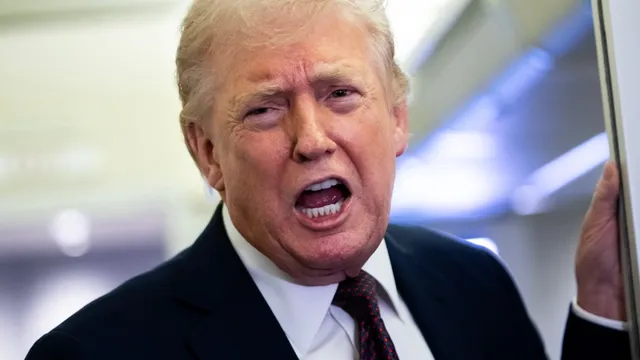
Trump launches investigations into forced labor to revive tariffs
Trump launches investigations into forced labor to revive tariffs
- The Trump administration has initiated investigations into the importation of goods from 60 countries to examine forced labor practices.
- The inquiries are part of a strategy to potentially reinstate tariffs following a Supreme Court ruling that invalidated previous policies.
- These investigations may have significant implications for international trade, as reactions from affected nations continue to emerge.
Story
In response to a recent Supreme Court ruling that struck down his administration's tariff policies, Donald Trump's government initiated investigations into allegations of forced labor practices across 60 countries, including the European Union. This move reflects a continued effort to restore tariffs which previously generated approximately $170 billion in revenue for the U.S. economy. The investigations, led by Trade Representative Jamieson Greer under Section 301 of the 1974 Trade Act, aim to gauge the extent of forced labor in the production of imported goods. Consequently, this may pave the way for new tariffs, which the administration hopes can be put in place within a modified timeframe. China's commerce ministry responded critically, labeling these inquiries as protectionist and arbitrary, expressing concern over possible repercussions on international trade relations. Various Asian nations affected by the investigations are also formulating their responses, while Malaysia has already declared its trade deal with the U.S. null and void. As the administration navigates the complex legal landscape following the Supreme Court's decision, the upcoming investigations signal a potential shift in U.S. trade policy focused on labor standards and international compliance.
Context
The impact of Trump's tariffs on the U.S. economy has been a topic of extensive analysis and debate since their implementation. The tariffs were primarily aimed at protecting American industries by imposing taxes on imported goods, particularly from countries like China. This protectionist approach aimed to reduce the trade deficit and encourage domestic manufacturing. However, the unintended consequences of these policies began to unfold as various sectors of the economy reacted to the increased costs of imported materials and retaliatory measures taken by other countries. As a result, the tariffs not only influenced consumer prices but also affected the global supply chain, leading to disruptions in production and trade flows. Initially, certain sectors did experience a boost due to the tariffs, notably steel and aluminum industries, which benefited from reduced import competition. However, many manufacturers and businesses that relied on imported components faced higher costs. These costs were often passed on to consumers, leading to increases in prices for goods ranging from electronics to household items. The higher tariffs led to a complex interplay of benefits for some sectors while simultaneously increasing operational costs for others, creating an uneven economic landscape. The agricultural sector, for example, faced significant challenges, with farmers suffering from retaliatory tariffs imposed by other nations, particularly in the wake of the trade disputes with China. Furthermore, the broader U.S. economy responded in mixed ways to the tariffs. While proponents argued that jobs were protected and manufacturing was revitalized, critics pointed out various economic indicators that suggested slowdowns in growth, disruptions in the labor market, and rising inflation rates tied to increased consumer prices. The uncertainty surrounding trade relations and tariffs also contributed to apprehension in investment and long-term planning across various industries. Economic analysts indicated that business sentiment wavered as firms grappled with the consequences of the tariffs affecting their input costs and market strategies. In conclusion, the tariffs implemented during Trump's administration had a multifaceted impact on the U.S. economy, fostering both protective measures and unintended repercussions. While aiming to bolster American industries, the interplay of higher consumer prices, market instability, and retaliatory actions from trading partners illustrated the complexity of such trade policies. The long-term effects remain a subject for further study, but the immediate results underline the delicate balance policymakers must strike between protecting domestic interests and maintaining healthy international trade relations.


