

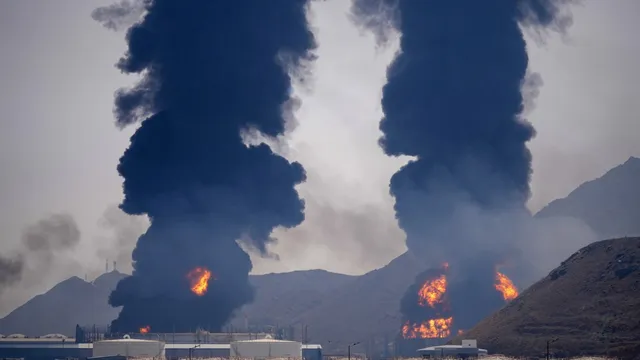
UAE and Saudi Arabia launch offensive strikes against Iran
UAE and Saudi Arabia launch offensive strikes against Iran
- The UAE targeted an oil refinery on Lavan Island, while Saudi Arabia conducted airstrikes in late March.
- Both Gulf states displayed a new military assertiveness in response to perceived threats from Iran.
- These covert actions may signify a shift in regional power dynamics and could lead to increased Iranian retaliation.
Story
In an unprecedented action, the United Arab Emirates (UAE) and Saudi Arabia executed covert military strikes on Iran, showcasing a shift in their approach towards the Islamic Republic. These attacks occurred following escalating tensions that arose from the ongoing war triggered by U.S. and Israeli strikes against Iran, which began in late February. Reports indicate that the UAE targeted an oil refinery on Lavan Island, while Saudi Air Force carried out strikes in late March. Neither regional power has publicly acknowledged their involvement, as both countries face increasing pressures to deter Iranian aggression. The strikes mark significant developments in Gulf military dynamics, revealing a new assertiveness from both the UAE and Saudi Arabia. Experts believe these offensives reflect a growing perception of threat toward Iran and underscore the inadequacy of American security assurances. Military analysts have described UAE’s actions as signifying a departure from its previous cautious military strategy, highlighting its aim to strengthen regional alliances and self-defense capabilities. Reports indicate that the UAE military possesses advanced capabilities, including sophisticated air defenses and U.S.-made weaponry, which strengthen its position for carrying out such missions. The offensive posture also illustrates a potential shift in Gulf state relations as the UAE and Saudi Arabia exhibit more individualistic responses to Iranian threats, diverging from the more traditional reliance on U.S. support. The UAE's independent military action aligns with its broader foreign policy goals after previously distancing itself from American interests in the region. As these developments unfold, the likelihood of Iranian retaliation increases, posing risks for broader regional stability. Analysts caution that while the strikes can be seen as an attempt to establish deterrence, they also risk exacerbating tensions in an already volatile landscape. The implications of this military engagement are profound, not only for UAE and Saudi relationships with Iran but also for their interacting dynamics with their American allies and the wider geopolitical landscape of the Middle East.


