

Federal agents fatally shoot registered nurse Alex Pretti in Minneapolis
Federal agents fatally shoot registered nurse Alex Pretti in Minneapolis
- Eyewitness videos contradict claims that Alex Pretti brandished a gun at federal agents during a protest.
- The shooting led to intense political debates over immigration enforcement and Second Amendment rights.
- Many lawmakers have called for a thorough investigation into the circumstances surrounding Pretti's death.
Story
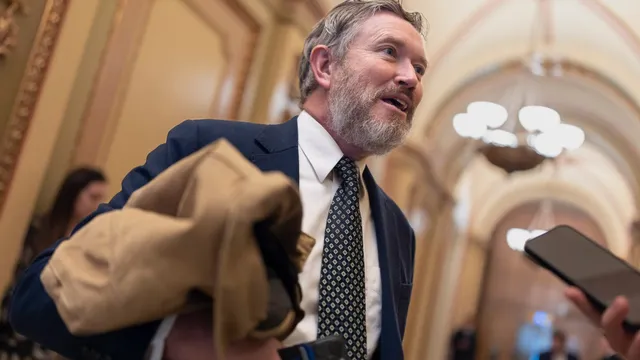
In a tragic incident on January 20, 2026, federal agents in Minneapolis shot and killed Alex Pretti, a 37-year-old registered nurse. The shooting occurred during protests when Pretti intervened to assist a woman being pushed down by immigration officers. Eyewitness videos show Pretti holding his phone with his hands raised, and no evidence indicated he brandished a firearm during the encounter. After the altercation, law enforcement officials highlighted that Pretti was legally carrying a gun, significantly complicating the narrative regarding the use of deadly force against him. As the aftermath of the shooting unfolded, conflicting accounts emerged from federal and state officials, raising serious questions about the justification for the agents' actions. The Trump administration attempted to frame the incident around Pretti's gun ownership as a potential threat to officers, leading to widespread backlash from gun rights advocates and local community leaders. Representative Thomas Massie defended Pretti's right to carry firearms, emphasizing it as a constitutional right and criticizing officials suggesting that firearm possession could lead to a death sentence. The situation intensified with responses from various lawmakers, including Senator Bill Cassidy, who called for a full investigation into the events surrounding the shooting. The political rhetoric escalated with discussions on the implications of federal immigration enforcement and the treatment of armed individuals during protests. Activist groups and organizations like the National Rifle Association echoed the demand for accountability, stating that public voices should avoid generalizations that demonize lawful gun owners. The investigation continues amidst public outcry for clarity and transparency. Eyewitness videos counter the narrative provided by the federal government, showing the moments leading up to the shooting and calling into question the justification for using lethal force in this instance. As tensions remain high in Minneapolis, the incident highlights the broader issues regarding law enforcement practices, gun rights, and immigration enforcement in the country, leading to demands for reforms and policy changes to prevent similar occurrences in the future.
Context
The Second Amendment to the United States Constitution, ratified in 1791, states: "A well regulated Militia, being necessary to the security of a free State, the right of the people to keep and bear Arms, shall not be infringed." This amendment has been central to ongoing debates regarding gun rights and gun control across the nation, including in Minnesota. The interpretation of the Second Amendment has evolved over time, with numerous legal battles and discussions concerning the balance between individual rights and public safety. Consequently, Minnesota's gun laws reflect an intricate mix of state and federal regulations, which play a significant role in shaping how Second Amendment rights are exercised within the state. In Minnesota, the legal framework surrounding gun ownership is governed by both state statutes and federal laws. The state requires individuals seeking to purchase a handgun or semiautomatic military-style assault weapon to obtain a permit to purchase. This includes background checks at the point of sale. Minnesota law also allows for concealed carry, provided that individuals obtain the necessary permits, which require training and a thorough background check. Additionally, Minnesota has laws designed to regulate the possession of firearms in certain locations, such as schools and government buildings. These laws aim to enhance public safety while still upholding the rights granted by the Second Amendment. Despite being a generally permissive state regarding gun ownership, Minnesota has faced its share of gun violence and related challenges, prompting discussions and legislative efforts aimed at reforming gun laws. Advocates for gun control emphasize the need for measures such as universal background checks and restrictions on high-capacity magazines and assault weapons, arguing that these regulations can help to prevent gun violence while respecting Second Amendment rights. Conversely, gun rights advocates maintain that existing laws are sufficient and that additional regulations may infringe upon citizens' rights to armed self-defense and personal security. The landscape of Second Amendment rights in Minnesota continues to be a pertinent issue for lawmakers, advocacy groups, and the public. Ongoing discussions about gun laws are fueled by varying perspectives on public safety, individual rights, and interpretations of the Second Amendment. As societal attitudes toward firearms evolve, Minnesota's approach to gun laws will likely remain dynamic, reflecting the balance between protecting the rights of individuals to bear arms while implementing measures intended to safeguard communities from gun violence.


