

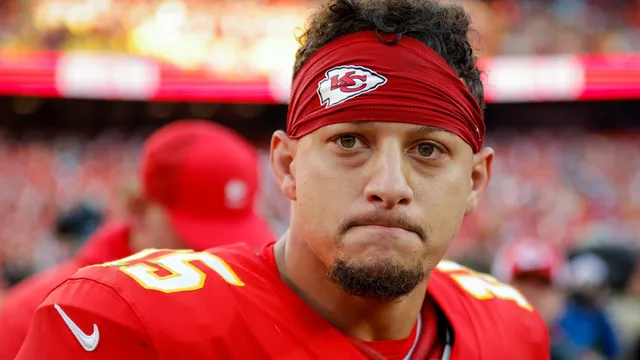
Patrick Mahomes undergoes knee surgery after devastating injury
Patrick Mahomes undergoes knee surgery after devastating injury
- Patrick Mahomes suffered a torn ACL and LCL during a game against the Chargers.
- He underwent successful surgery on December 15, 2025.
- His recovery will be critical for the Chiefs' future and could affect team decisions.
Story
In the United States, on December 14, 2025, Patrick Mahomes suffered a significant knee injury during a game against the Los Angeles Chargers that led to the Kansas City Chiefs being eliminated from postseason contention. Initially diagnosed with a torn ACL in his left knee, the injury was later reported to also include a tear to the lateral collateral ligament (LCL). Following the injury, Mahomes underwent surgery on December 15, 2025, performed by Dr. Dan Cooper in Dallas, Texas. The surgery was completed swiftly, reflecting Mahomes' commitment to his recovery. As the Chiefs' season concluded abruptly with a record of 6-8, the team faced additional uncertainties regarding their roster. Coach Andy Reid commented on the situation, indicating that Mahomes remained optimistic and ready to tackle his rehabilitation process. The recovery period for an elite quarterback like Mahomes, dealing with both an ACL and LCL injury, typically averages around nine months under ideal circumstances but could vary depending on the severity of the injuries and any potential complications. The presence of an LCL injury can complicate and extend the timeline for rehabilitation. For Kansas City, this injury not only raises questions about Mahomes' immediate future but also about the overall direction of the franchise, including the future of star tight end Travis Kelce, who is nearing the end of his contract and career at 36. The team’s management has a crucial decision to make regarding roster upgrades in light of Mahomes’ recovery, Kelce's status, and the performance of the offensive line. As the franchise members rally behind Mahomes, they face a challenging offseason filled with uncertainty. The prognosis for Mahomes is cautiously optimistic, as he aims to return for the beginning of the next season, however, it hinges on the pace of his rehabilitation and any further developments regarding his recovery from the knee surgery.
Context
The impact of ACL (anterior cruciate ligament) and LCL (lateral collateral ligament) injuries on quarterbacks is a significant focus within sports medicine, particularly given the unique demands placed on these athletes during gameplay. Both ligaments play crucial roles in stabilizing the knee joint, allowing quarterbacks to perform intricate movements essential to their position, such as pivoting, sprinting, and throwing. Injuries to these ligaments can lead to considerable time away from the field, influencing both the player's performance and the team's overall dynamic. Understanding the mechanics of these injuries and their rehabilitation processes is vital for medical staff, coaches, and players alike to minimize recovery times and optimize performance post-injury. ACL injuries are particularly common among quarterbacks due to the intense athletic demands placed on the body during games. An ACL tear can lead to chronic instability and a diminished ability to make quick, agile movements, which are crucial for escaping pressure from defenders. This type of injury often requires surgical intervention followed by extensive rehabilitation, which can take several months. Research indicates that some quarterbacks do return to their previous level of play post-recovery; however, many report long-term effects such as decreased mobility and a constant awareness of their knee's stability, which can hinder performance. Similarly, LCL injuries, although less common than ACL injuries, still carry significant consequences for quarterbacks. LCL tears can result in outside knee instability, making it difficult to maintain balance and accuracy during throws. The recovery process for LCL injuries can also be lengthy, with rehabilitation emphasizing strength and stability training. In some cases, players undergoing treatment for LCL injuries may try to compensate for their compromised knee stability, which can lead to poor mechanics and increased risk of further injuries, not only to the affected knee but to other areas as well. Both ACL and LCL injuries not only impact the physical capabilities of the quarterback but also their mental approach to the game. Athletes recovering from these injuries may struggle with confidence, especially concerning their ability to perform previously taken-for-granted movements. It's imperative for coaching staff to foster a supportive environment that encourages a gradual return to play, prioritizing the athlete's mental health alongside physical healing. By implementing comprehensive training and rehabilitation programs tailored to the specific needs of injured quarterbacks, teams can enhance recovery outcomes and maintain competitive performance in the challenging landscape of professional football.


