

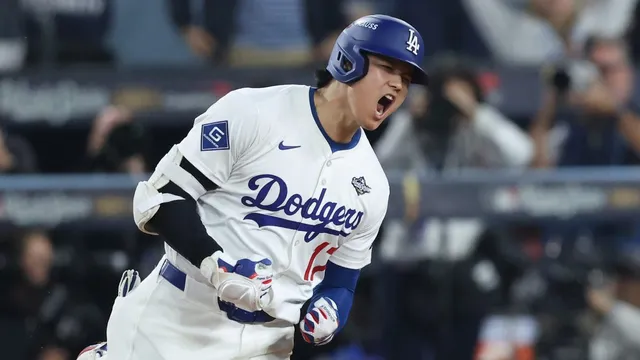
Dodgers profit massively after signing Shohei Ohtani
Dodgers profit massively after signing Shohei Ohtani
- The Los Angeles Dodgers increased their revenue by $200 million after signing Shohei Ohtani.
- Their successful financial strategy has allowed them to sign top free agents like Edwin Diaz and Kyle Tucker.
- Ownership is committed to using these revenues to improve the team's competitiveness and win championships.
Story
In 2023, the Los Angeles Dodgers signed two-way superstar Shohei Ohtani, significantly impacting their financial standing. Following his acquisition, estimates indicated that the Dodgers generated an additional $200 million in revenue, making the team the first in Major League Baseball history to surpass $1 billion in yearly income. This financial windfall allowed the organization to pursue notable free agents like Edwin Diaz and Kyle Tucker, illustrating how Ohtani's unique marketability and performance have elevated the team's ambitions. Dodgers president Stan Kasten remains unapologetic regarding their high spending, emphasizing their commitment to fielding a competitive team every season. The Dodgers' success stems from a combination of factors, including their substantial market size and passionate fanbase. However, the primary catalyst for their recent financial growth is Ohtani himself, whose on-field talents and commercial appeal have drawn unprecedented attention. The organization has firmly positioned itself as a leader within the league, focusing on sustained success and fiscal investment in top talent. Critics have argued for a salary cap to level the playing field among franchises, but many experts assert that such measures would only restrict players like Ohtani rather than mitigate the advantages enjoyed by wealthier teams like the Dodgers. Under Kasten's leadership, the Dodgers have embraced their marketing strengths and capitalized on the performance of their star players. Kasten believes that the willingness to invest is crucial for maintaining relevance and winning in baseball. By actively pursuing top talent and enhancing their roster, the Dodgers plan to continue contending for championships in the coming years. This strategy has garnered mixed reactions from rivals and fans alike, with some viewing their spending as an unfair advantage. Nonetheless, the Dodgers have made clear their determination to capitalize on their financial situation for the benefit of their team's competitiveness. As the Dodgers prepare for future seasons, their approach reflects broader trends in Major League Baseball. Market dynamics and strategic spending impact team operations significantly, and organizations must navigate these complexities to thrive. With Ohtani's impact still rippling through the league's financial landscape, the allure of star players has never been more pronounced. The team's ability to harness this potential directly contributes to their success, underscoring the importance of not just acquiring talent but also committing to utilizing it effectively for winning results throughout the organization.
Context
The impact of Shohei Ohtani on MLB revenue has been profound and multifaceted. Since he joined Major League Baseball (MLB) in 2018, Ohtani has energized fan engagement through his unique abilities as a two-way player, excelling as both a pitcher and a hitter. This unprecedented talent not only draws attention from baseball fans but also attracts new viewers globally, significantly boosting MLB's appeal in markets where the sport traditionally had limited reach. The surge in interest following Ohtani’s performances translates into increased attendance at games, higher viewership ratings on television broadcasts, and a rise in merchandise sales, all contributing to enhanced revenue streams for the league and its teams. In addition to direct financial impacts, Ohtani's presence has influenced the commercial landscape of MLB. Sponsorship deals and partnerships have flourished as brands recognize the opportunity to align with one of baseball's most exciting figures. Companies seeking to appeal to a younger demographic have capitalized on Ohtani's global image, leveraging his popularity in advertising campaigns and events. Furthermore, Ohtani has elevated the visibility of the sport in Japan, leading to a significant increase in international broadcasting agreements that further expand MLB's revenue avenues. The ripple effect of Ohtani's influence extends to the broader economic environment surrounding the MLB. Teams have reported higher ticket sales and attendance, particularly during games where Ohtani is pitching or hitting. His ability to fulfill dual roles has also reshaped how franchises evaluate player performance and invest in their rosters, driving an overall increase in player salaries and potential market values. This balance of star power and sporting excellence enhances the competitive landscape of Major League Baseball, presenting an attractive viewing experience for fans. Overall, Shohei Ohtani's impact on MLB revenue is not simply quantifiable in terms of immediate financial returns but is also evident in the long-term prospects for the sport. His contributions challenge traditional notions of player specialization and create new pathways for talent development and marketing strategies. As he continues to perform at an elite level, Ohtani remains a central figure in MLB's endeavor to grow its audience, foster international interest, and drive revenue in the ever-evolving landscape of professional sports.


