

Ghana's death toll rises as 55 citizens die fighting for Russia in Ukraine
Ghana's death toll rises as 55 citizens die fighting for Russia in Ukraine
- At least 55 Ghanaians have been confirmed dead in the Ukraine-Russia conflict, representing the highest casualties from a single African nation.
- Samuel Okudzeto Ablakwa revealed that about 272 Ghanaians have been lured into participating in the war since it began, with two currently identified as prisoners of war.
- The Ghanaian government is committed to preventing further recruitment of its youth into the conflict through public awareness and law enforcement efforts.
Story
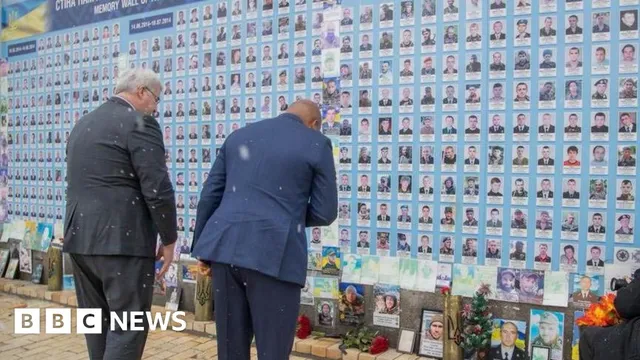
In the ongoing conflict in Ukraine, the Ghanaian Foreign Affairs Minister Samuel Okudzeto Ablakwa announced that at least 55 Ghanaians have lost their lives fighting in the war. This announcement was made during his visit to Kyiv, where he mentioned that approximately 272 Ghanaians have been lured into the conflict since its start in 2022. While the minister didn't specify which side the Ghanaians fought for, it has been reported that over 1,700 individuals from 36 African countries were recruited by criminal networks to fight for Russia. Ukraine's foreign minister confirmed this involvement by African nationals. Furthermore, Ablakwa disclosed that two Ghanaians are currently held as prisoners of war, and he urged for their safe return, ensuring that they are being treated well and not subjected to any inhumane conditions. Local authorities have expressed alarm over the rising number of deaths among African nationals, with Cameroon reporting 94 fatalities—though they have yet to confirm this officially. The Ghanaian government is taking a proactive stance to prevent further loss of life, pledging to increase public awareness and crack down on illegal recruitment schemes being propagated on the dark web. The minister emphasized the importance of safeguarding Ghanaian youth, stating that
Context
The ongoing conflict in Ukraine has had significant ripple effects across various regions of the world, particularly in Africa. This report outlines the multifaceted impact of the Ukraine war on African countries, focusing on economic, political, and humanitarian dimensions. The war has disrupted global supply chains, leading to dramatic increases in food and fuel prices that heavily affect African nations, many of which rely on imports for their essential supplies. The conflict has particularly impacted countries that previously depended on grain supplies from Ukraine, pushing millions towards food insecurity. As a result, inflation has surged, and social unrest has been witnessed in several nations, manifesting as protests against rising living costs and demand for government action to alleviate hardships caused by the soaring prices of necessities. In the political realm, the war in Ukraine has forced African governments to reevaluate their foreign policy alignments. Countries that have maintained ties with Russia, either historically or currently, find themselves under immense pressure to either support international sanctions against Russia or to remain neutral, navigating a delicate balance to avoid adversely affecting their diplomatic and trade relations. The shift in geopolitical dynamics has led to fragmented alliances and poses challenges for African unity in addressing continental and global issues. As nations grapple with these complex dynamics, the call for stronger regional cooperation and a unified stance on international matters has grown stronger. The humanitarian dimensions of the Ukraine conflict extend beyond immediate impacts on food and fuel shortages. There is an acute rise in the number of refugees and internally displaced persons, and some African nations have taken steps to support displaced populations. Moreover, the war has hindered international humanitarian aid mechanisms, which are crucial for a continent that already faces numerous challenges, including poverty, health crises, and climate change. Many African countries are finding it increasingly difficult to procure medical supplies and vaccines, exacerbated by the ongoing chaos caused by the conflict. Despite the challenges, there has been a push for resilience, with local initiatives emerging to address shortages and foster self-sufficiency in agriculture and healthcare. In summary, the impact of the Ukraine war on African countries encapsulates a comprehensive suite of challenges ranging from economic instability and political reorientations to a deepening humanitarian crisis. As the conflict continues, African nations must navigate these intricacies while seeking to bolster cooperation and resilience within their borders to mitigate the adverse effects of external conflicts. This situation highlights the interconnectedness of global events and their localized ramifications, reminding policymakers of the need for sustained engagement and adaptability in an ever-changing geopolitical landscape.


