

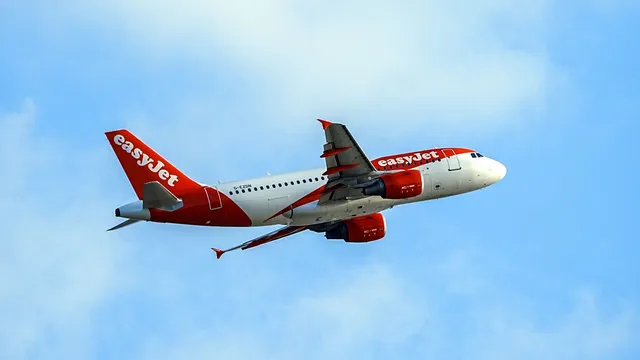
EasyJet profits surge due to booming package holiday demand
EasyJet profits surge due to booming package holiday demand
- EasyJet recorded a 9% increase in headline pre-tax profits to £665 million for the year ending September 30.
- The airline's holiday business experienced a significant earnings boost of 32%, while profits from the airline division decreased.
- The company aims for sustainable growth in its holiday sector and is focused on reaching a profit target of over £1 billion.
Story
In the United Kingdom, EasyJet has reported an impressive annual profit increase, largely driven by a surge in demand for its package holiday offerings. The budget airline's headline pre-tax profits rose by 9% to £665 million for the fiscal year ending September 30. This notable profit margin exceeded both the previous year’s figure of £610 million and analysts' expectations of £650 million. The holidays segment was particularly strong, with earnings jumping 32% to £250 million, demonstrating successful strategic execution within the company, especially after achieving its forecast early. This growth in the holiday business prompted EasyJet to set a new target of £450 million in earnings for this segment by 2029-30. On the other hand, the airline division faced more challenges, particularly in the face of a changing economic landscape. The annual profits for the airline dropped slightly to £415 million from £420 million the previous year, indicating that its performance was more difficult to improve than originally anticipated due to factors like the pace of route maturity and a competitive market environment. This calls into question future growth dynamics, particularly over the winter season, prompting the carrier to reduce its seat capacity growth forecast to about 7% from 9% for the upcoming year. The airline indicated that these actions are essential for enhancing productivity and ensuring readiness for the critical summer season when profit growth is most significant. While the airline division struggles, the growing holiday business reported a 20% increase in customer numbers, reaching 3.1 million. Revenues also experienced a significant rise of 27%, attributed to an increase in the average selling price by 5% to £698. For the next year, EasyJet projects a further 15% increase in holiday customers, with anticipated price rises in the high single digits. Chief Executive Kenton Jarvis expressed confidence in the company’s plans, underlining the commitment to achieving long-term profit growth and greater operational efficiency. Overall, the distinct performance of the package holiday sector versus the airline's challenges highlights a shifting landscape within EasyJet's operational structure. As the company navigates these waters, it’s focused on leveraging its holiday segment's strength while attempting to stabilize its airline branch. Jarvis communicated optimism about reaching the company's medium-term profit goal exceeding £1 billion, bolstered by the holiday division's early success in meeting set targets. By strategically adjusting operations, EasyJet aims to seize emerging opportunities in a competitive market.
Context
The impact of package holidays on airline profitability is a critical topic in the travel industry, particularly as consumer behavior and market dynamics continue to evolve. Package holidays typically combine several travel services, such as flights, accommodation, and sometimes additional amenities like transfers and meals, into a single product, often sold at a bundled price. This model can create substantial advantages for airlines, as it drives higher demand for their services by facilitating a straightforward and appealing purchasing experience for consumers. By offering package deals, airlines can attract more customers who prefer the convenience of having all elements of their trip coordinated in one package, potentially increasing passenger numbers and, subsequently, overall profitability. Moreover, the relationship between airlines and tour operators is crucial in this context. Tour operators often negotiate bulk purchasing agreements with airlines, allowing them to secure lower rates for flights. This can lead to increased capacity utilization for airlines, which helps improve their yield management. When airlines partner with tour operators to provide package holidays, they benefit from a more consistent flow of passengers, allowing for better forecasting and planning. In this respect, package holidays can serve as a stabilizing influence on airlines’ financial performance. However, the package holiday model is not without its challenges. Airlines must navigate various external factors, such as fluctuating fuel prices, competition from low-cost carriers, and changing consumer preferences. Additionally, during economic downturns or global events that affect travel (like pandemics), package holiday sales can decrease, directly impacting airline revenues. Therefore, while the partnership with package providers can enhance profitability, it also introduces a level of risk tied to market volatility. Airlines must maintain a flexible business strategy to adapt to these challenges and ensure continued profitability. In conclusion, package holidays have a significant impact on airline profitability by streamlining consumer purchases and optimizing flight capacities through strategic partnerships with tour operators. However, the volatility of the market and external challenges can pose substantial risks to this model. Airlines must remain agile and innovative in their approaches, balancing the benefits of package holiday sales with the inherent risks of the travel industry.


