

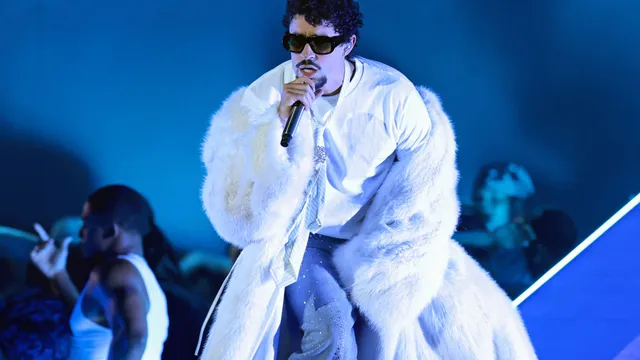
NFL owner warns Bad Bunny could jeopardize ESPN deal
NFL owner warns Bad Bunny could jeopardize ESPN deal
- Concerns were raised by an NFL owner about the selection of Bad Bunny due to its possible impact on a pending equity deal with ESPN.
- The backlash from the right wing media showcases the political tensions surrounding Bad Bunny's halftime performance.
- This choice reflects a broader cultural shift in the NFL's attempt to diversify its entertainment offerings amidst criticism.
Story
In the lead-up to Super Bowl 60, occurring on February 8, 2026, in Santa Clara, California, controversy arose over the selection of Bad Bunny as the halftime performer. The NFL has been collaborating with Roc Nation, an entertainment company led by Jay-Z, for the past few years to choose halftime artists. Bad Bunny, a prominent Latin artist, was announced as the headliner in September 2025, causing a stir in both media and political circles. Notably, some individuals within the NFL expressed reluctance regarding his booking, speculating on its impact on upcoming business dealings. Specifically, fears emerged surrounding the league's negotiations with Disney regarding the sale of NFL Network and other assets, which includes plans for the acquisition of a 10 percent stake in ESPN. Concerns were voiced over potential backlash from supporters of former President Donald Trump, who has publicly criticized Bad Bunny and questioned the decision to book an artist perceived as politically controversial. Despite these concerns, NFL Commissioner Roger Goodell affirmed that the decision would remain unchanged. This decision was reinforced by the continuous discussions of diversifying the halftime performances to better reflect a global audience. Furthermore, some NFL players shared mixed feelings about Bad Bunny's selection. While some players felt disconnected from his music, others expressed enthusiasm for the diversity this choice represented. Meanwhile, critics of the NFL's decision rallied support for an alternative halftime show organized by Turning Point USA, featuring performances that leaned more towards traditional American values. This incident underlines the complicated intersection of politics, music entertainment, and how the NFL navigates these waters amidst evolving cultural landscapes.


