

Fishing vessel Lily Jean sinks off Massachusetts, community heartbroken
Fishing vessel Lily Jean sinks off Massachusetts, community heartbroken
- The U.S. Coast Guard began a search for the Lily Jean after receiving an emergency signal early Friday morning.
- After extensive searching efforts, a body was recovered, but six crew members remain unaccounted for.
- The search was suspended on Saturday due to diminishing hope of finding survivors and impending severe weather.
Story
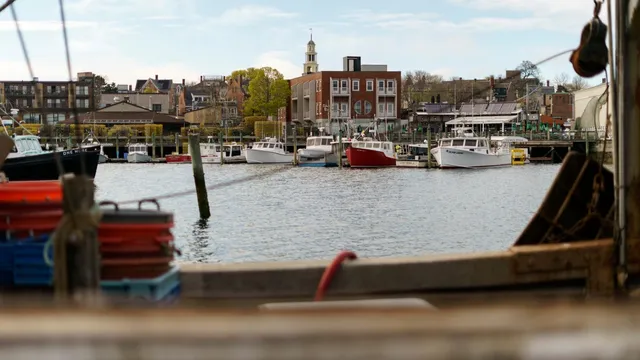
On Friday, January 30, 2026, the U.S. Coast Guard initiated a search and rescue operation for the commercial fishing vessel Lily Jean, which sank approximately 25 miles off Cape Ann in Massachusetts. The vessel, capable of carrying a crew of seven, issued an emergency signal early that morning. Despite the Coast Guard's immediate response, including aerial and maritime assets, they found debris and a single body in the water, while six crew members were reported missing. As a result of the harsh winter conditions, including low temperatures and high seas, the search effort faced significant challenges. Over the following day, search teams scoured more than 1,000 square miles of ocean, making use of helicopters, cutters, and smaller vessels. Though the crews diligently combed the area, the chances of finding survivors became increasingly slim. On Saturday, January 31, 2026, the Coast Guard decided to suspend the search, indicating that all reasonable efforts had been exhausted. This decision was made alongside the approaching nor'easter, which threatened to bring severe weather to the region, complicating any continued rescue efforts. The outcome has deeply affected the Gloucester community, which has a long history tied closely to the fishing industry. Local residents, officials, and family members expressed their grief and heartbreak over the incident, highlighting the strong ties within the fishing community. Gus Sanfilippo, the captain of the Lily Jean, was known for his skills and had contributed significantly to the local fishing culture. He had been featured in media, signifying his connection to the heritage of fishing in the area. The tragedy has reignited discussions around the dangers faced by fishermen, especially in winter months when conditions can turn treacherous unexpectedly.
Context
Maritime safety regulations for fishing vessels are critical to ensuring the safety of crew, protection of marine resources, and the prevention of maritime accidents. Authorities worldwide, such as the International Maritime Organization (IMO) and various national maritime agencies, have established specific guidelines that fishing vessels must adhere to in order to operate safely. These regulations typically encompass vessel design, construction standards, safety equipment, and operational procedures. Key elements include the requirement for vessels to undergo regular inspections and maintenance to ensure that they comply with safety standards. Furthermore, fishing vessels must be equipped with appropriate safety gear, including life jackets, fire extinguishers, and emergency signaling devices, tailored to the type of fishing being conducted and the environment in which these vessels operate. In addition to equipment and inspection mandates, maritime safety regulations also include training requirements for crew members. Proper training in emergency response procedures, navigation, weather assessment, and use of safety equipment are vital in preparing the crew to handle potential emergencies. Regulations often stipulate that fishing vessel crews must complete specific safety training courses approved by the relevant maritime authority. This training focuses on instilling a culture of safety on board, fostering the skillset necessary to manage risks associated with fishing operations on the open sea. The implementation of the "International Convention on Standards of Training, Certification and Watchkeeping for Fishing Vessel Personnel" (STCW-F) also emphasizes the importance of competency among crew members. Compliance with this convention can significantly reduce accident rates and enhance the overall safety of fishing operations. Furthermore, many nations enforce regulations concerning vessel monitoring systems (VMS), which are used to track fishing activities, ensuring that vessels are operating within designated fishing areas and adhering to sustainable practices that mitigate the risk of overfishing and environmental degradation. Lastly, these regulations continually evolve in response to advancements in technology and lessons learned from maritime incidents. Stakeholders within the fishing industry, including government agencies, non-governmental organizations, and the fishing community itself, play essential roles in discussions and decision-making processes aimed at refining safety guidelines. By fostering collaboration and sharing best practices, maritime safety regulations for fishing vessels can be enhanced, ensuring that they not only protect human life but also promote long-term sustainability of marine ecosystems.


