

Biden allowed 729 Iranian nationals into the U.S. during security crisis
Biden allowed 729 Iranian nationals into the U.S. during security crisis
- Under the Biden administration, Iranian border crossings saw a significant increase, with 729 Iranian nationals being released into the U.S. amid security concerns.
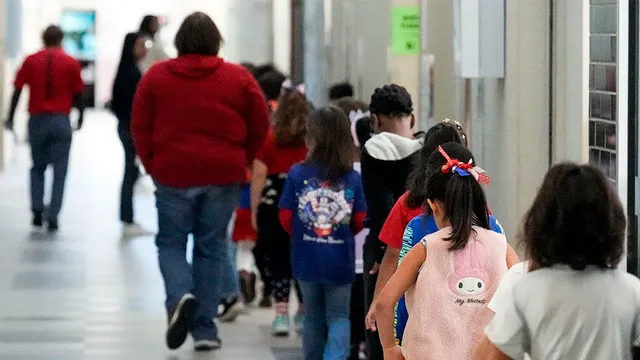
- Educational institutions have faced scrutiny for facilitating unsupervised student walkouts, heightening risks of violence and foreign influence.
- There is growing pressure on policymakers to enhance security measures in education and immigration to protect American families from emerging threats.
Story
In the context of rising tensions with Iran, significant immigration policy changes under President Joe Biden's administration have raised alarm among national security analysts. As of March 2026, the U.S. has observed a notable surge in Iranian crossings at the southern border, with reports indicating a twenty-fivefold increase. This influx is troubling given that over 729 Iranian nationals were released into the country, often with minimal vetting. These developments have sparked widespread fears of sleeper cells and organized attacks being launched from within the United States. Intelligence assessments are now concerned that the recent shift in U.S.-Iran relations could embolden radical elements within the U.S. territory, especially amid ongoing military operations targeting Iranian assets abroad. School and community safety has also become a focal point of concern, as K-12 institutions have faced criticism for allowing unsupervised student activism, including organized walkouts. The vulnerability of students and families has been amplified, with anecdotes of violence during these events. Calls to action have emerged that urge educational institutions to rethink their policies towards international collaborations and exchanges, particularly with nations deemed adversarial. Parents and community leaders increasingly question these decisions, advocating for measures that can safeguard their children from potential foreign threats. The implications of these developments are dire as foreign adversaries are perceived to exploit the current vulnerabilities within the educational system and immigration policies. Analysts are cautious that without a critical reassessment and proactive measures, the situation could spiral out of control, intensifying fears of domestic terrorism fuelled by foreign influence. Legislative proposals, such as the DETERRENT and TRACE acts, have been suggested as potential steps towards restoring rigorous vetting processes and border security measures to mitigate these threats effectively. Overall, the intersection of immigration policy and national security remains a key discourse in the U.S. as it grapples with the repercussions of border policy changes and external pressures. Policymakers are pressured to take a stance and act swiftly to better prepare for future challenges emanating from across its borders, particularly concerning nations with strained relations, like Iran and China.
Context
strategic policy policy global data shift geopolitical trends impact policy policy shift geopolitical data geopolitical geopolitical policy insight data shift trends shift trends market data analysis impact economic shift shift shift geopolitical global economic market shift data impact shift strategic global impact trends data impact market data global strategic market data analysis economic shift insight strategic policy market market trends economic geopolitical policy policy global analysis policy global policy shift strategic strategic shift global geopolitical economic global policy analysis policy...


