

Iran says it will negotiate only if U.S. shows seriousness
Iran says it will negotiate only if U.S. shows seriousness
- Tehran remains open to negotiations with the U.S. but requires serious engagement from Washington.
- Concerns arise from contradictory messages from the U.S. about their intentions regarding negotiations.
- Iran is prepared to resume fighting if diplomatic efforts do not yield favorable results.
Story
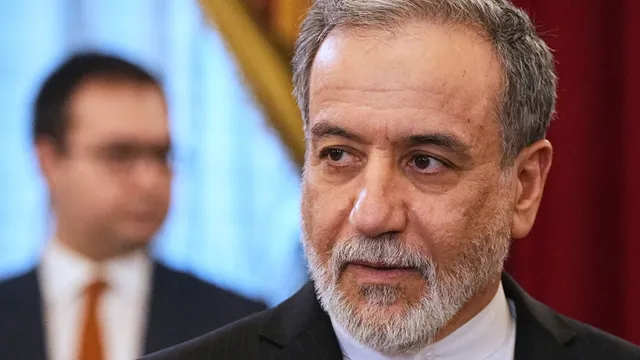
In recent statements made in New Delhi during a visit to the BRICS foreign ministers’ meeting, Iranian Foreign Minister Abbas Araghchi expressed Iran's lack of trust in the United States. He pointed out that Tehran is willing to engage in negotiations with Washington but only if the U.S. is serious about reaching an agreement. The backdrop of this statement includes ongoing tensions between Iran and the U.S., exacerbated by contradictory messages from the American side that have left Iran questioning their actual intentions. Negotiations to end the current conflict, which has been on hold, reflect rising complexities, especially concerning the control of the Strait of Hormuz—a vital shipping route for a significant portion of the world’s oil and gas supply. Araghchi emphasized that all vessels can pass through the strait except those at war with Iran, indicating the fragile state of maritime security in the region. He also indicated that mediation efforts, particularly by Pakistan, haven't failed but are facing significant difficulties. As discussions remain stagnant due to both sides rejecting the latest proposals, the situation appears tenuous, with Iran maintaining a ceasefire to allow for diplomatic efforts while simultaneously preparing for a potential resumption of hostilities. One of the crucial sticking points in negotiations involves Iran's nuclear ambitions, with the U.S. seeking to eliminate highly enriched uranium from the country. Tensions have also been heightened by the involvement of regional players, including significant dissent from Israel, further complicating the environment for constructive dialogue. Araghchi's remarks follow recent communications from U.S. President Donald Trump, who has expressed impatience with Iran and reiterated the need for Tehran to reopen the Strait of Hormuz. The backdrop of these discussions is a wider geopolitical landscape where both sides seem to be at an impasse, complicating the prospects for a resolution and raising fears of renewed open warfare in the Middle East.
Context
The history of negotiations between Iran and the United States is complex and fraught with tension, shaped by geopolitical interests, ideological differences, and pivotal historical events. Following the 1979 Iranian Revolution, diplomatic relations between the U.S. and Iran were severed, leading to a prolonged period of confrontation, which included the Iran Hostage Crisis. Throughout the 1980s and 1990s, various events, such as the Iran-Iraq War and Iran's alleged support for terrorism, exacerbated tensions, making dialogue between the two nations challenging. Thus, for decades, official negotiations remained nonexistent, with both sides remaining largely antagonistic toward one another. In the early 2000s, discussions began to surface around Iran's nuclear program, which had grown increasingly contentious, prompting the international community to seek diplomatic solutions. The U.S. and other world powers engaged in negotiations with Iran, ultimately leading to the Joint Comprehensive Plan of Action (JCPOA) in 2015. The JCPOA was a landmark agreement that aimed to curtail Iran's nuclear capabilities in exchange for sanctions relief. While this represented a significant diplomatic achievement, the agreement was not without controversy and faced significant opposition both domestically within Iran and in the U.S. from opponents who argued it did not go far enough in addressing Iran's regional activities. The Trump administration's withdrawal from the JCPOA in 2018 marked a significant turning point in U.S.-Iran relations, leading to a re-imposition of sanctions on Iran and heightening tensions in the region. In response, Iran began stepping away from its commitments under the agreement, resulting in increased hostilities and a cycle of escalation that included military confrontations. The Biden administration's approach sought to re-engage Iran on nuclear issues and return to a modified version of the JCPOA, reflecting a desire to stabilize the situation and address Iran's nuclear ambitions while also considering broader regional security concerns. As of 2026, negotiations continue to face significant hurdles, including differing priorities among negotiating parties, regional conflicts, and domestic political pressures in both countries. The complexity of Iran's role in the Middle East, particularly in relation to its support for proxy groups and involvement in conflicts, further complicates the negotiation process. Despite these challenges, dialogue remains essential for de-escalating tensions and achieving a sustainable resolution to the longstanding issues between the U.S. and Iran. The future of these negotiations will likely hinge on the ability of both sides to find common ground and address not only nuclear concerns but also broader issues of regional security and mutual interests.


