

Federal agents begin immigration enforcement operation in Charlotte
Federal agents begin immigration enforcement operation in Charlotte
- Federal agents began arrests in Charlotte as part of an immigration enforcement operation.
- Local leaders and community organizations are mobilizing to support the immigrant population amid heightened anxiety.
- Responses from city officials reflect a commitment to protecting all residents against fear and division.
Story
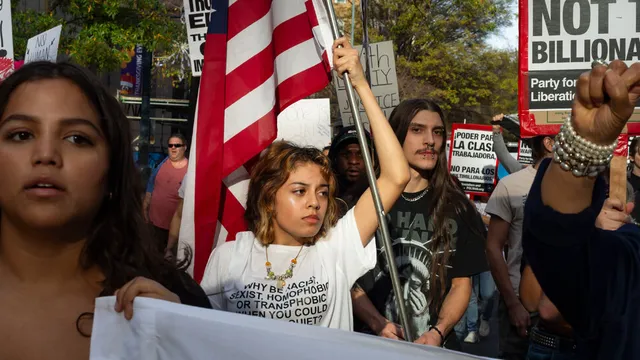
In Charlotte, North Carolina, federal immigration enforcement began on Saturday with a series of arrests across the city. This operation is part of President Donald Trump's push to increase federal immigration enforcement actions in Democratic-run cities. Local officials, including Mecklenburg County Sheriff Garry McFadden, confirmed that the U.S. Customs and Border Protection (CBP) had mobilized personnel in the area with reports of heightened activity noted by local community organizations. This surge of immigration enforcement has ignited fears among residents, particularly within the immigrant community, prompting local leaders and organizations to prepare and offer support for those affected. Community leaders and activists have organized efforts to inform residents of their rights and prepare for potential escalations. They have shared resources and formed a mutual aid network, seeking to reassure families as federal agents conduct operations reminiscent of similar crackdowns seen in cities like Chicago. Local officials, including Charlotte's Democratic Mayor Vi Lyles, criticize the operation as inciting unnecessary fear and suffering within the community. Statistically, the immigrant population in Charlotte is significant, with over 150,000 foreign-born residents contributing to the city's cultural and economic landscape. Reports have emerged of increasing visibility of Immigration and Customs Enforcement (ICE) and Border Patrol agents on the streets leading up to the operation. Instances of agents stopping individuals have amplified anxiety within immigrant neighborhoods, echoing concerns about aggressive tactics used in previous federal operations. Local politicians have expressed solidarity with the immigrant community, proclaiming Charlotte a city of belonging and emphasizing the need for peace and safety rather than division. While the Department of Homeland Security claims the enforcement actions are necessary to ensure public safety, many residents and local leaders argue that these tactics do not reflect the realities of their communities. As Charlotte grapples with the implications of this federal crackdown, community responses continue to focus on mutual support, rights education, and peaceful protest, highlighting the diverse fabric of the city and the shared commitment to fostering an inclusive environment.
Context
The impact of federal immigration crackdowns on local communities has become a significant issue, reflecting broader national debates over immigration policy and enforcement. Local communities, particularly those with large immigrant populations, experience various social, economic, and cultural repercussions as a result of these federal actions. Communities often report a climate of fear among immigrants, which can lead to underreporting of crimes, reluctance to access health and social services, and a general sense of insecurity. This fear is compounded by aggressive enforcement tactics that target not just undocumented immigrants but also citizens and lawfully present individuals, often based on racial profiling. The resulting stress and anxiety can disrupt local social fabrics, undermining community cohesion and trust in public institutions, particularly among law enforcement agencies that are perceived to collaborate with federal immigration authorities. Economically, federal immigration crackdowns can have detrimental effects on local economies, especially in regions that rely heavily on immigrant labor. Undocumented immigrants often participate in essential industries, including agriculture, construction, and service sectors, where labor shortages can directly affect local businesses and productivity. When these workers are removed from their jobs due to enforcement operations, businesses can suffer from reduced output and increased costs, as they struggle to find willing and able labor replacements. Additionally, the economic contributions of immigrants, including their role as consumers, can decline, leading to reduced local spending and potential tax revenue loss for community services. The cultural consequences of federal immigration crackdowns further complicate the situation. Local communities often thrive on diversity, which immigrant populations contribute to in numerous ways—from cultural festivals to culinary diversity. Crackdowns can lead to increased tensions between different community groups, fostering divisions that can spiral into hostility and xenophobia. This polarization can erode the sense of belonging for immigrants and their families, discouraging community engagement and participation in civic life. Moreover, the visible presence of federal agents can alter the daily lives of families, as children may express fear for their parents, affecting their educational performance and overall well-being. In conclusion, while federal immigration crackdowns aim to enforce immigration laws, the fallout can be harsh and widespread for local communities. The repercussions extend beyond the individual to touch on the overall health of the community, its economy, and its cultural landscape. As such, policymakers must consider the ramifications of enforcement actions on local levels, seeking balanced approaches that uphold the law while recognizing the vital contributions immigrants make to society. Engaging local leaders, community organizations, and affected populations in discussions around immigration policy can help mitigate negative impacts and foster inclusive communities.


