

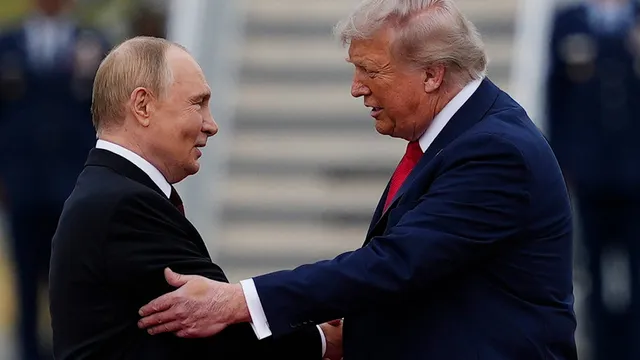
Trump claims Putin kept his word as Ukraine faces ongoing attacks
Trump claims Putin kept his word as Ukraine faces ongoing attacks
- On February 4, 2026, Ukraine reported an increase in Russian attacks on its energy infrastructure.
- Diplomatic talks between Russia and Ukraine are ongoing in Abu Dhabi, but hostilities have intensified.
- These developments highlight the stark contrast between diplomatic efforts and the reality of continued violence in the region.
Story
As tensions continue between Russia and Ukraine, the situation escalated over recent weeks, with significant military activity and diplomatic efforts intertwined. On February 4, 2026, Ukrainian Prime Minister Yulia Svyrydenko highlighted the severity of the ongoing conflict by stating that Russia had attacked Ukraine's energy infrastructure 217 times since the beginning of the year. This information surfaced alongside ongoing peace talks facilitated by U.S. officials in Abu Dhabi, where delegations from both countries meet to discuss a potential resolution to the lengthy war that has persisted for nearly four years. Amid these discussions, former U.S. President Donald Trump claimed he managed to negotiate a limited ceasefire, asserting that Putin temporarily halted assaults on major cities to foster conditions conducive to negotiation. However, reports indicated that the reality belied those claims, as Russian forces intensified strikes on Ukrainian targets, particularly energy facilities, in a calculated strategy that appeared to undermine peace efforts. The European Union also voiced concerns regarding Putin's manipulation of ceasefire talks to justify attacks on civilian infrastructure. An EU spokesperson condemned the Russian president for exploiting the ceasefire discussions to continue his military campaign against Ukraine, emphasizing the urgent need for Putin to demonstrate genuine commitment to peace rather than strategic deception. Overall, while diplomatic engagement continues, the backdrop of Russia's relentless assault on Ukraine's vital infrastructure paints a troubling picture. The ongoing military actions threaten not only the prospects of a peaceful settlement but also the humanitarian conditions facing Ukrainian civilians during the harsh winter months. The juxtaposition of Trump’s optimistic statements alongside increasing hostilities reflects the complexities facing both diplomatic relations and the humanitarian crisis in Ukraine.
Context
The recent Russia Ukraine peace talks in February 2026 have garnered significant attention as both nations seek to bring an end to the prolonged conflict that began in 2014. The talks, facilitated by a coalition of nations and international organizations, aimed to address critical issues surrounding territorial integrity, military disengagement, and the restoration of diplomatic relations. Delegates representing both Russia and Ukraine met in a neutral location to discuss potential frameworks for peace, marking a noteworthy step toward resolving one of Europe’s most pressing crises. The negotiations have unfolded against a backdrop of sustained tensions but also recent shifts in public sentiment and leadership dynamics within both countries. During the peace talks, key focus areas included the status of Crimea and the conflict zones in Eastern Ukraine. Representatives from Ukraine reiterated their commitment to the restoration of territorial integrity, while Russian authorities expressed their interests in security guarantees and a formal end to hostilities. An important aspect of the discussions involved examining previously proposed ceasefire agreements and mechanisms to ensure compliance from both sides. Additionally, humanitarian issues such as prisoner exchanges and the safe return of displaced persons were also prioritized, reflecting the dire need for immediate action on the ground. The involvement of international mediators was seen as vital to facilitating a constructive dialogue and ensuring that both parties adhere to any agreements reached. The current geopolitical climate adds complexity to the peace talks. With continued military support to Ukraine from Western allies and varying degrees of internal dissent within Russia, the environment for negotiations is more precarious than ever. Analysts suggest that public opinion in both countries will play a significant role in shaping the outcome of the talks. In Ukraine, citizens largely support a strong stance against Russian aggression, while some factions in Russia are increasingly frustrated with the prolonged conflict and its repercussions on the economy and society. These differing national sentiments may impact the negotiation strategies employed by both sides, as leaders grapple with the need to deliver results to their constituents. As the peace talks progress, the international community remains cautiously optimistic, emphasizing the necessity for dialogue and compromise. Experts believe that while significant hurdles remain, including mutual distrust and regional power dynamics, the mere act of engaging in discussions signifies a potential turning point in the conflict. The upcoming weeks will be critical as both parties return to their respective capitals to assess the viability of proposals made during the talks, which could pave the way for a more comprehensive and lasting resolution to the crisis.


