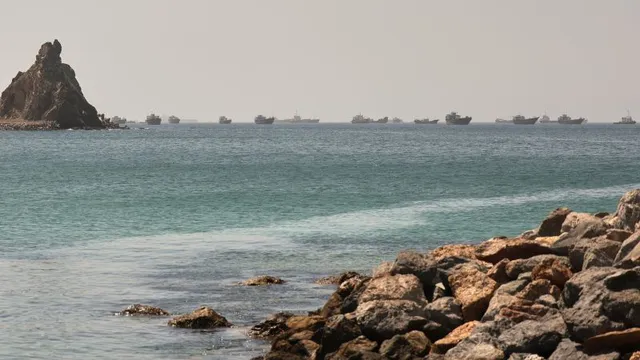
The Strait of Hormuz is a strategically vital waterway that connects the Persian Gulf with the Gulf of Oman and the Arabian Sea. It is one of the most important maritime chokepoints in the world, as it serves as a transit route for a significant portion of the world's oil supply. Approximately 20% of the global oil trade passes through this narrow strait, making it a focal point for international shipping and energy security. The geopolitical significance of the Strait of Hormuz has led to heightened tensions in the region, particularly involving Iran, which has threatened to disrupt shipping in response to sanctions and military actions by the United States and its allies. This has raised concerns about the safety and security of vessels navigating through the strait, prompting various nations to enhance their naval presence in the area to ensure the free flow of commerce.
The security of shipping in the Strait of Hormuz is influenced by a range of factors, including military activities, diplomatic relations, and regional conflicts. The presence of naval forces from countries such as the United States, the United Kingdom, and other allies aims to deter potential threats and ensure safe passage for commercial vessels. However, the risk of confrontations remains high, particularly with Iran's naval capabilities and its use of asymmetric warfare tactics, such as fast attack boats and mines. Incidents involving harassment of commercial shipping, drone surveillance, and missile threats have underscored the precarious security environment in the strait. As a result, shipping companies are increasingly adopting measures to mitigate risks, including route planning, increased vigilance, and the use of armed escorts.
In response to the evolving security landscape, international coalitions have been formed to enhance maritime security in the Strait of Hormuz. These coalitions involve collaboration among various nations to conduct joint naval operations, share intelligence, and establish protocols for responding to incidents at sea. The goal is to create a secure maritime environment that allows for the uninterrupted flow of trade while deterring hostile actions against vessels. Additionally, diplomatic efforts are ongoing to address the underlying tensions in the region, with the hope of achieving a more stable and secure environment for shipping. However, the complexity of the geopolitical situation means that achieving lasting security in the Strait of Hormuz remains a challenging endeavor.
The future of shipping security in the Strait of Hormuz will depend on a combination of military readiness, diplomatic engagement, and the ability of nations to work together to address common threats. As global energy demands continue to rise, the importance of this waterway will only increase, making it imperative for stakeholders to prioritize the safety of maritime operations. Continued vigilance, investment in naval capabilities, and proactive diplomatic initiatives will be essential to ensure that the Strait of Hormuz remains a secure passage for international shipping, thereby safeguarding the global economy and energy security.