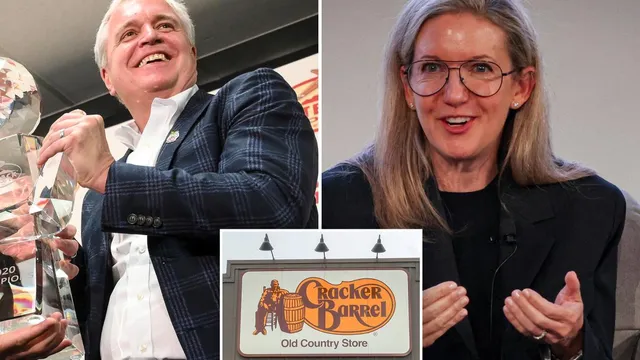
The impact of customer backlash on restaurant branding is a critical area of study in the food service industry. In recent years, the rise of social media and online review platforms has amplified the voice of consumers, making it easier for them to express dissatisfaction with a restaurant's service, food quality, or ethical practices. This backlash can manifest in various forms, including negative reviews, social media campaigns, and even organized boycotts. The consequences of such backlash can be severe, leading to a decline in customer loyalty, a tarnished brand reputation, and ultimately, a significant drop in revenue. Restaurants must understand that in today's digital age, a single negative incident can quickly escalate and reach a wide audience, making it imperative for them to manage their brand image proactively and responsively.
To mitigate the effects of customer backlash, restaurants need to adopt a comprehensive approach to brand management. This includes actively monitoring online reviews and social media mentions, responding promptly to customer complaints, and implementing changes based on customer feedback. Transparency and accountability are crucial; when a restaurant acknowledges its mistakes and takes steps to rectify them, it can often regain customer trust and loyalty. Additionally, engaging with customers through positive interactions and showcasing community involvement can help build a resilient brand image that can withstand potential backlash.
Moreover, the role of public relations in managing customer backlash cannot be overstated. A well-crafted PR strategy can help a restaurant navigate through crises by communicating effectively with its audience and controlling the narrative. This may involve issuing public apologies, clarifying misunderstandings, or highlighting positive initiatives that the restaurant is undertaking. By addressing issues head-on and demonstrating a commitment to improvement, restaurants can not only recover from backlash but also strengthen their brand in the long run.
In conclusion, the impact of customer backlash on restaurant branding is profound and multifaceted. As consumer expectations continue to evolve, restaurants must remain vigilant and responsive to feedback. By prioritizing customer satisfaction, maintaining open lines of communication, and being willing to adapt, restaurants can protect their brand reputation and ensure long-term success in a competitive market. The ability to turn a negative experience into a positive outcome is a hallmark of resilient branding, and it is essential for restaurants to embrace this challenge.