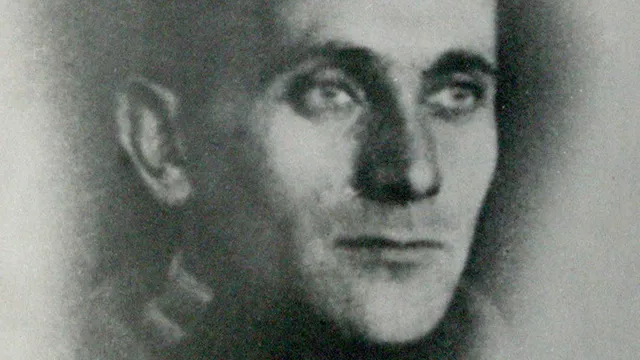
The Ukrainian Insurgent Army (UPA) was a significant military formation that emerged during World War II, primarily known for its role in the struggle for Ukrainian independence. Formed in 1942, the UPA was initially a part of the Organization of Ukrainian Nationalists (OUN), which sought to establish an independent Ukrainian state. The UPA's activities were characterized by guerrilla warfare tactics, as they fought against both Nazi German and Soviet forces, aiming to liberate Ukraine from foreign domination. The UPA's commitment to Ukrainian nationalism and independence was a driving force behind its operations, which included sabotage, ambushes, and direct confrontations with occupying armies. The UPA's leadership, particularly figures like Roman Shukhevych, played a crucial role in organizing and directing these efforts, fostering a sense of national identity among Ukrainians during a tumultuous period in history.
The UPA's operations were not limited to military engagements; they also involved significant social and political dimensions. The army sought to establish a Ukrainian state based on principles of self-determination and national sovereignty. This included efforts to mobilize the civilian population, promote Ukrainian culture, and provide social services in areas under their control. The UPA's ideology was rooted in the belief that a strong, independent Ukraine could only be achieved through armed struggle, which often put them at odds with both the Soviet Union and the Polish government, leading to violent confrontations and ethnic tensions in the region.
As the war progressed, the UPA faced increasing challenges, particularly after the defeat of Nazi Germany. The Soviet Union intensified its efforts to suppress the UPA, viewing it as a significant threat to its control over Ukraine. This led to a brutal campaign of repression against UPA fighters and their supporters, resulting in widespread violence and loss of life. Despite these challenges, the UPA continued to operate into the late 1940s and early 1950s, adapting its strategies to counter Soviet counterinsurgency tactics. The UPA's resilience during this period is a testament to its commitment to the cause of Ukrainian independence, even in the face of overwhelming odds.
The legacy of the Ukrainian Insurgent Army remains a contentious topic in contemporary Ukraine. While some view the UPA as heroes who fought for national liberation, others criticize their methods and the violence associated with their campaigns. The UPA's history is often intertwined with discussions about Ukrainian nationalism, identity, and the complexities of World War II in Eastern Europe. In recent years, there has been a resurgence of interest in the UPA, particularly in the context of Ukraine's ongoing struggle for sovereignty and territorial integrity. The UPA's fight for independence continues to resonate with many Ukrainians today, symbolizing the enduring quest for national self-determination.